Create Moral Story Manga
Create amazing AI-powered moral story manga with dynamic panels and compelling storytelling
Create Your Moral Story Manga in 3 Simple Steps
Describe Your Story
Tell us what you want to happen in your manga. Be creative with characters and plot!
Choose Your Style
Select a manga style and panel layout that matches your vision.
Generate & Download
AI creates your manga instantly. Download in high quality or share online!
- Start with a clear story concept
- Plan your panel layout carefully
- Focus on character expressions
- Use speech bubbles effectively
Story Ideas for Your Moral Story Manga
Create an exciting moral story story
Use This IdeaDesign compelling characters and scenes
Use This IdeaBuild an immersive manga world
Use This IdeaTell your story with visual impact
Use This IdeaPopular Moral Story Manga Genres
Action Adventure
Comedy
Drama
Mystery
Romance
Thriller
Powered by Advanced AI Manga Generation
Our AI understands manga storytelling, panel composition, and visual narrative. Each manga page is uniquely generated with consistent characters and authentic Japanese comic aesthetics.
Manga Understanding
AI comprehends manga flow and pacing
Panel Composition
Authentic manga layouts and framing
Consistent Style
Maintains character and art consistency
Recently Created Moral Story Manga
Get inspired by manga from our community

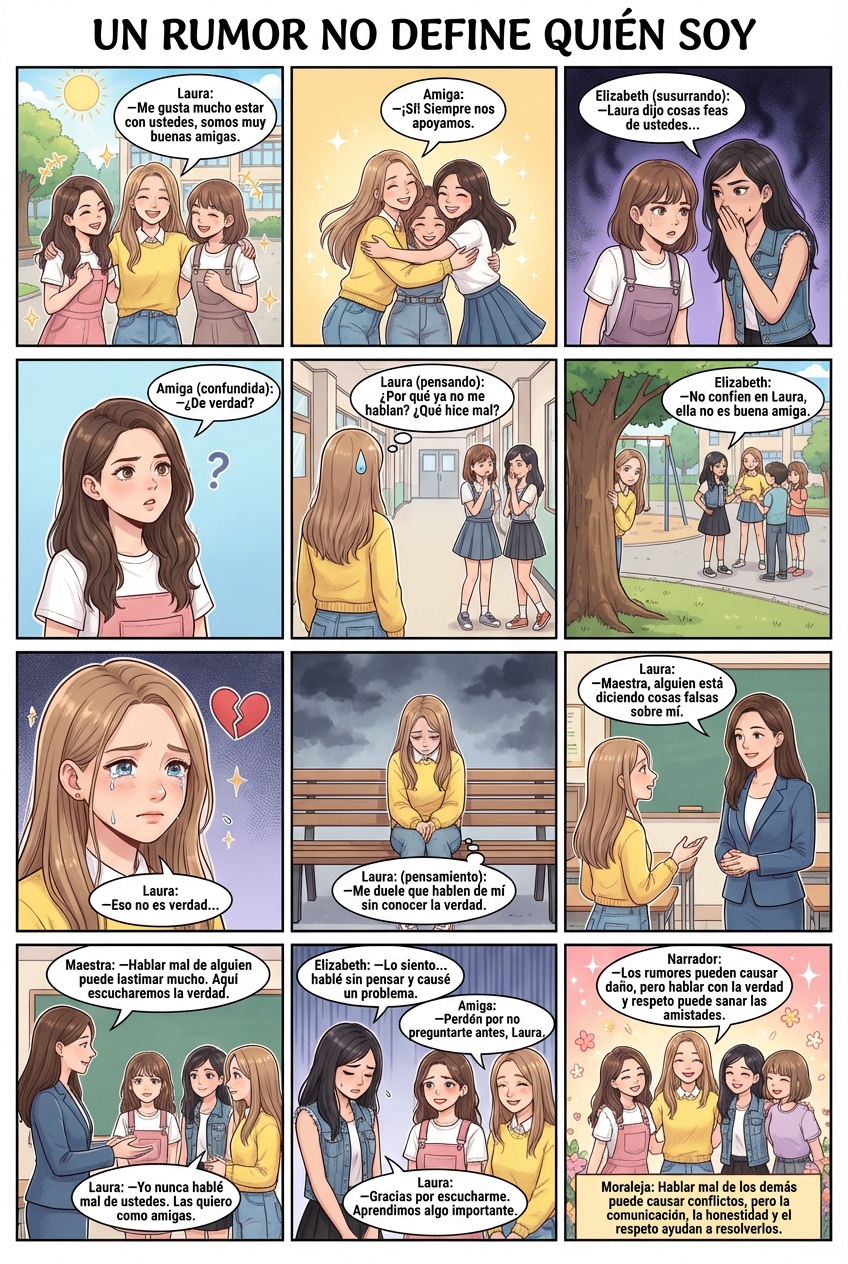
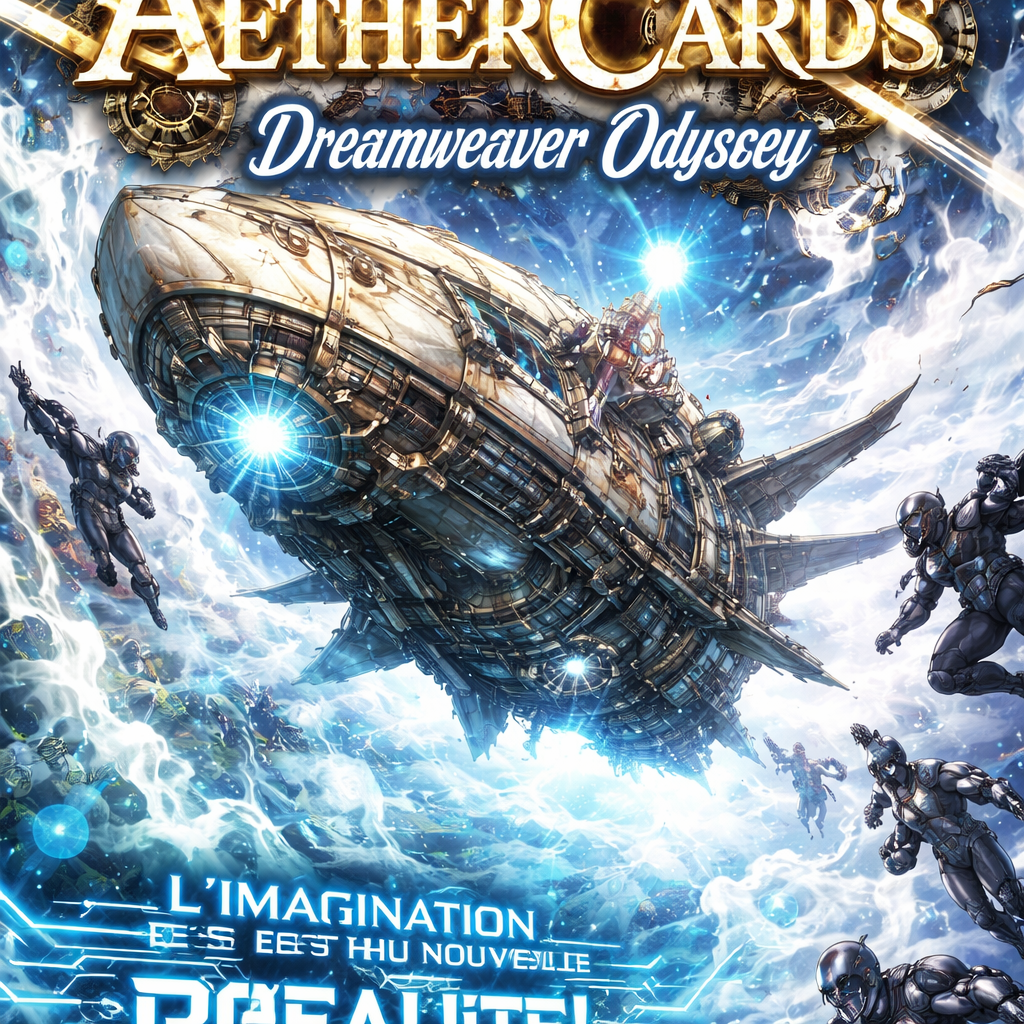
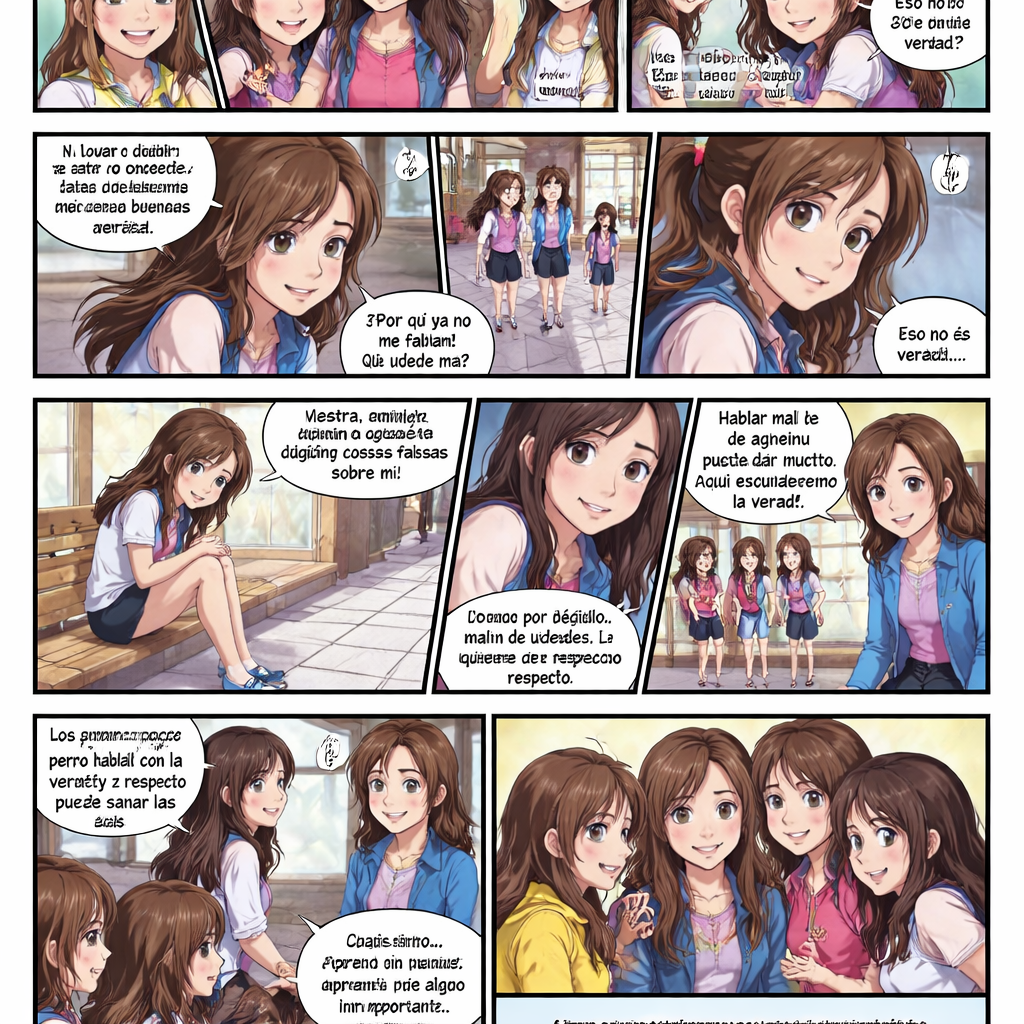
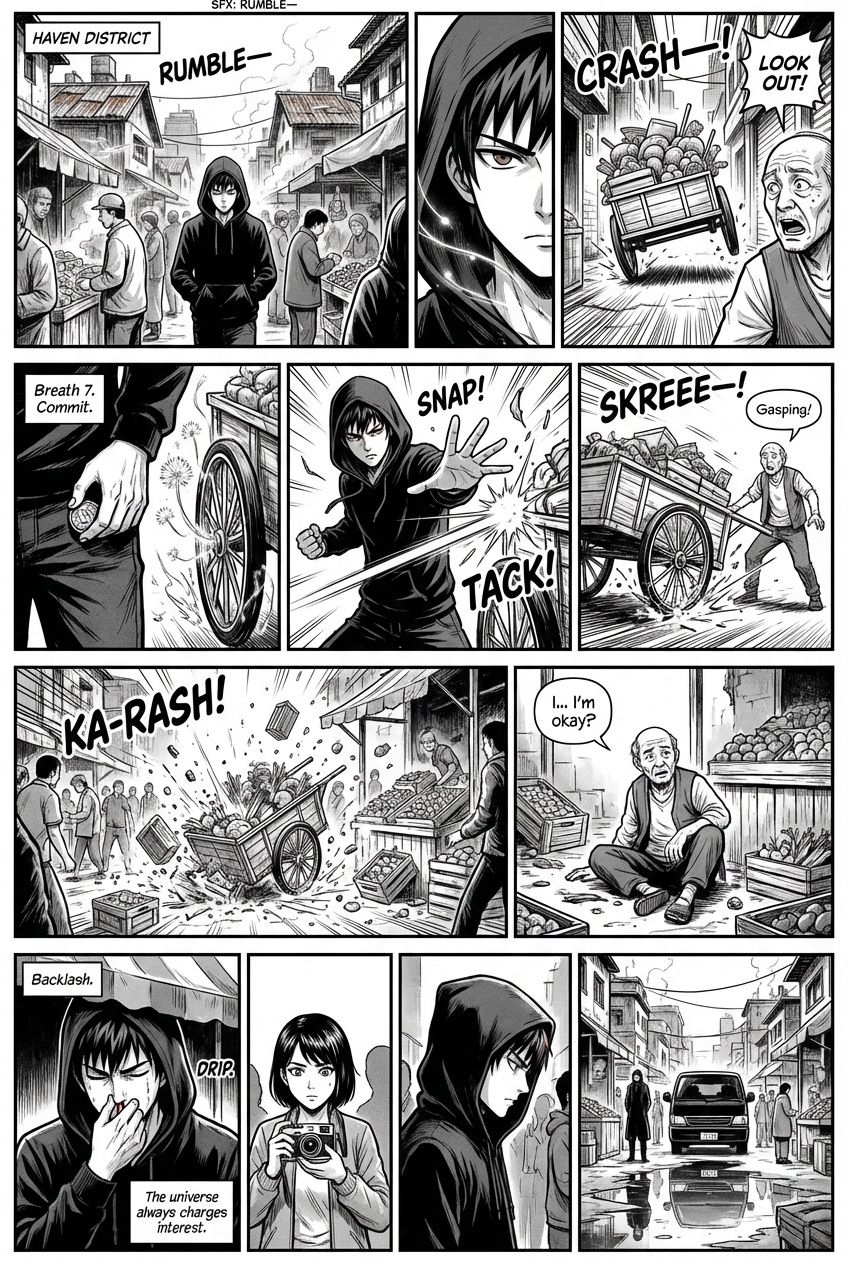
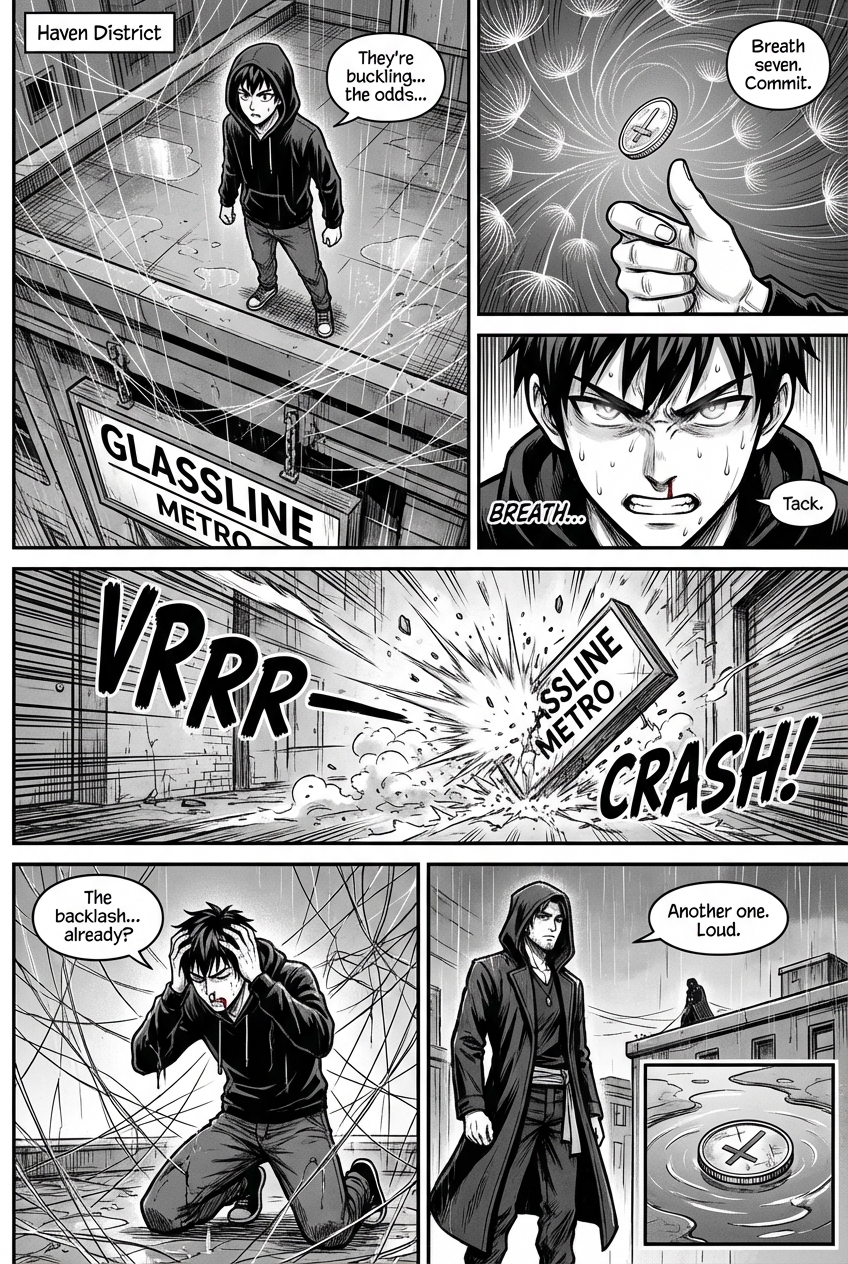
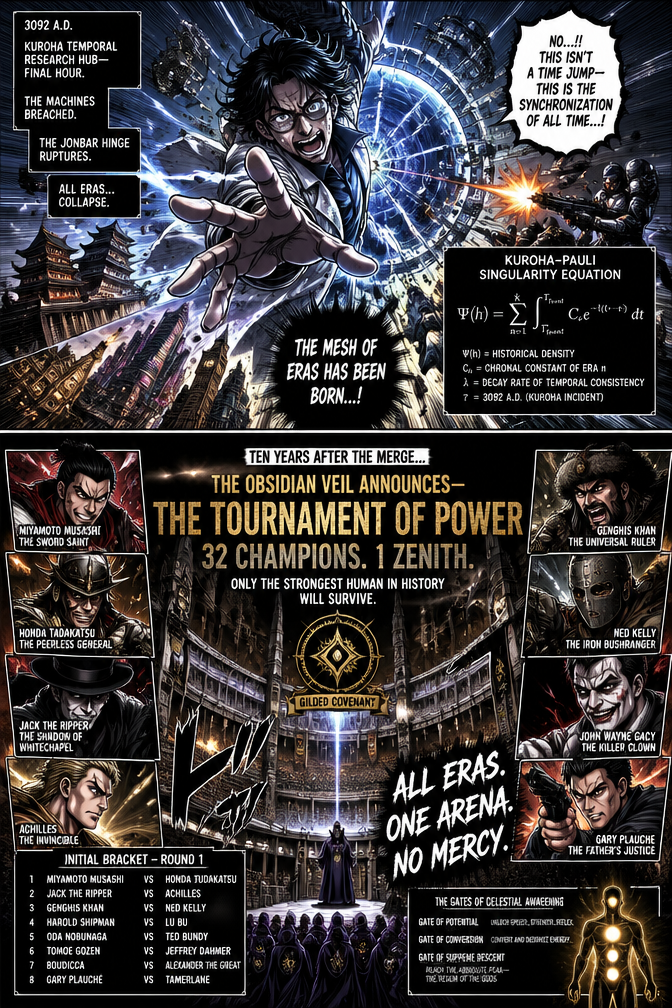
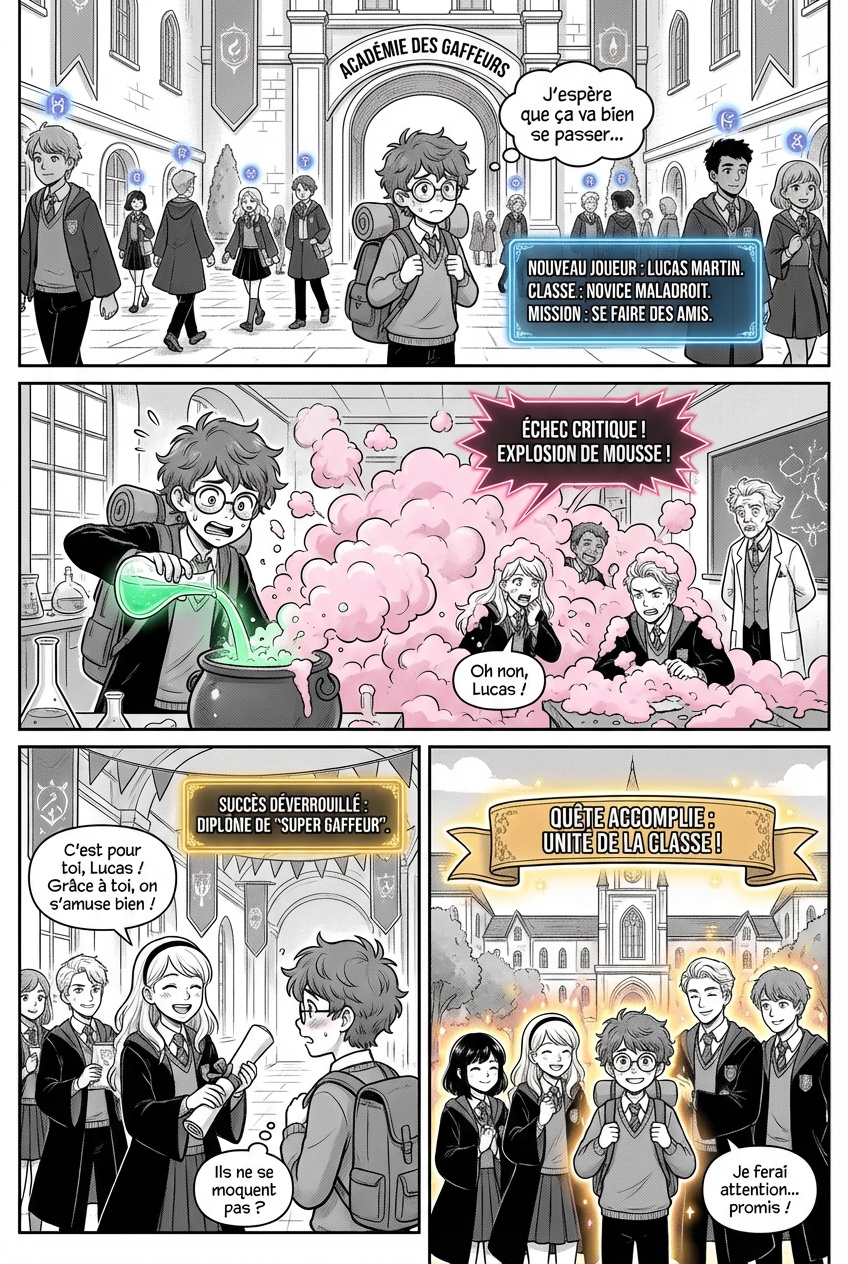
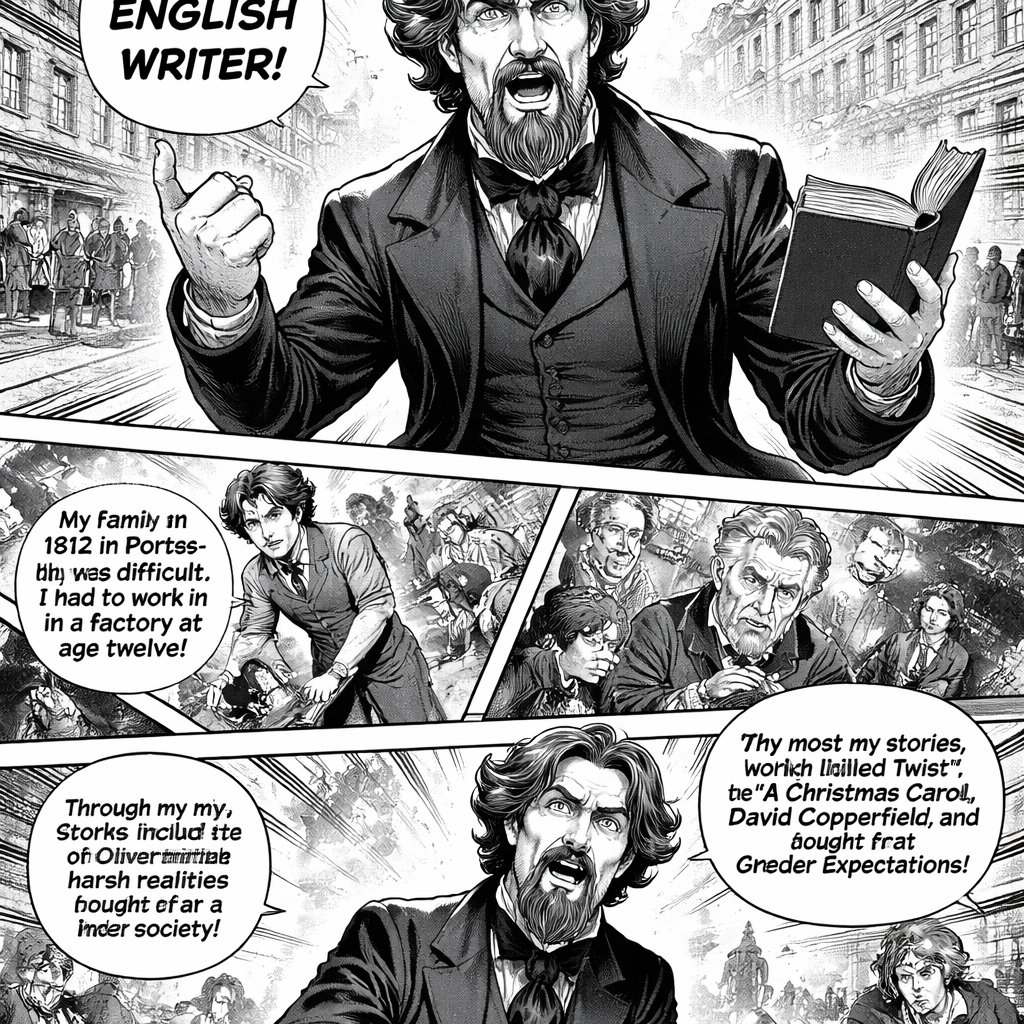
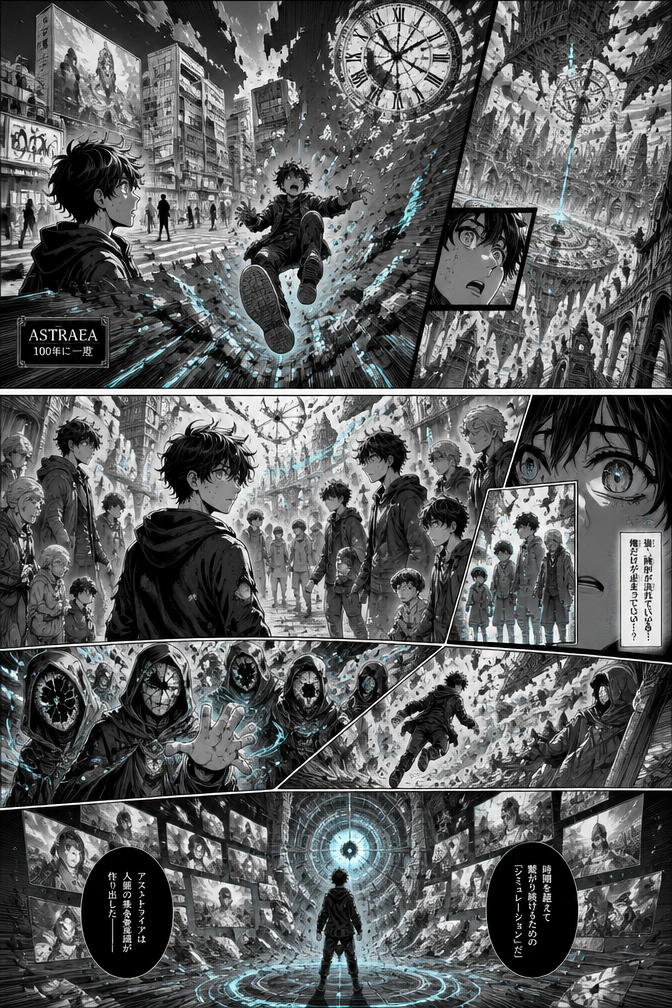
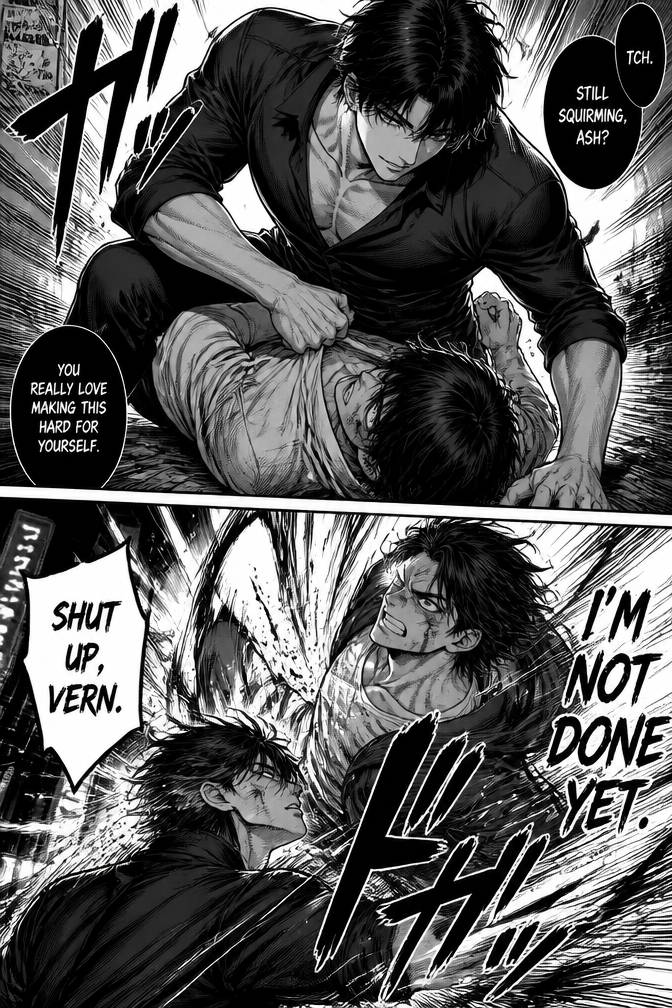
![# KINGDOM_SEQUEL_PRO_DIRECTIVE_v1
# Purpose: Copy/paste directive for a professional manga-generation AI.
# Output Target: Serialized manga chapters with panel scripts + dialogue + scene direction.
project:
title_working: "KINGDOM: AFTER THE UNIFICATION"
relationship_to_original: "Direct sequel (chronologically consistent continuation)"
medium: "Manga (black-and-white), weekly serialization pacing"
language:
script: "Japanese-style dialogue rhythms but written in English"
onomatopoeia: "Romanized SFX allowed (e.g., GOGOGO, DON, ZAA), minimal and purposeful"
audience: "Seinen/Shonen crossover (political-military epic; grounded realism with high drama)"
canon_constraints:
continuity:
- "Maintain political geography, factions, ranks, and court protocol consistent with Warring States → early Qin Empire transition."
- "No retcons that contradict established historical macro-events; micro-events may be dramatized within plausibility."
- "Do not mimic or quote any existing Kingdom lines verbatim; create original dialogue and scenes."
tone:
- "Strategic realism: logistics, intelligence, morale, propaganda, law, and governance are treated as causal mechanisms."
- "Heroic intensity is earned via constraints, costs, and tradeoffs—never by arbitrary power spikes."
thematic_core:
- "War-to-state transition: violence becomes administration; conquest becomes legitimacy maintenance."
- "Structure beats spectacle: outcomes are driven by supply lines, institutions, incentives, and narrative misdirection."
- "The true battlefield becomes governance: law, tax, land, bureaucracy, succession, and information control."
narrative_thesis:
logline: >
After unification, Qin discovers that conquering a continent is easier than governing it;
the new war is against entropy—rebellion, corruption, succession anxiety, and the friction
between idealized unity and lived provincial realities.
format_requirements:
deliverables_per_chapter:
- "Chapter title + 1-sentence hook"
- "Cold open: 2–4 pages that immediately establishes conflict and stakes"
- "Full panel script: page-by-page, panel-by-panel"
- "Dialogue + subtext notes (what is said vs. what is meant)"
- "Tactical layer: battlefield / administrative mechanics that explain why events unfold"
- "Cliffhanger: last 1–2 panels engineered to compel next chapter"
paneling_rules:
- "Average 17–21 pages per chapter"
- "Large establishing panel at least once every 2–3 pages"
- "At least one silent panel sequence per chapter to externalize cognition (faces, hands, maps, ledgers, roads)"
- "Action clarity: emphasize readable spatial logic; avoid incoherent motion"
style_guidelines_visual:
linework: "High-contrast ink, heavy blacks, realistic anatomy, war-worn textures"
faces: "Expressive micro-tension; political scenes rely on subtlety, not caricature"
environments: "Historically plausible architecture, armor, banners, siege craft, and court interiors"
maps_diagrams: "Occasional diegetic maps, supply charts, tax ledgers—used as narrative devices"
casting:
protagonist_axis:
type: "Dual-protagonist system"
leads:
- name: "General Shin"
function: "Frontline legitimacy (symbol of unification; morale engine)"
vulnerability: "Institutional illiteracy; can win battles but can lose peace"
- name: "Chancellor/Strategist (new original character)"
function: "Governance + intelligence architecture; designs systems that outlast heroes"
vulnerability: "Moral injury; must choose between stability and justice"
antagonist_axis:
type: "Multi-source antagonism (no single 'final boss')"
sources:
- "Provincial elite networks resisting centralization"
- "Bureaucratic capture and corruption"
- "Succession politics and court factionalism"
- "External frontier pressures (nomadic raids, border states, trade routes)"
- "Narrative antagonist: information asymmetry (misreports, forged edicts, rumor economies)"
supporting_cast_rules:
- "Each supporting character must have: (1) institutional role, (2) incentive structure, (3) signature tactic."
- "No disposable 'evil for evil’s sake' villains; opponents are rational within their local constraints."
world_mechanics (must_be_explicit_in_story):
governance:
- "Taxation, census, land surveys, legal standardization, corvée labor, grain storage"
- "Appointment systems, merit vs. patronage, inspection tours, document chains"
military:
- "Demobilization problems, veteran reintegration, garrison logistics, supply depots"
- "Intelligence networks: couriers, codes, counterintelligence, interrogation, defectors"
legitimacy:
- "Ritual, symbols, edicts, public works, famine relief, narrative control"
economy:
- "Transport bottlenecks, river control, roads, market regulation, smuggling"
story_structure:
arcs:
- arc_01:
title: "THE PEACE THAT BLEEDS"
scope: "Post-unification stabilization; first cracks"
central_question: "Can unity survive without perpetual war?"
setpieces:
- "A famine province: relief vs. rebellion—both weaponized"
- "A court trial: law becomes a battlefield"
- "A suppressed mutiny: victory costs legitimacy"
- arc_02:
title: "THE LEDGER WAR"
scope: "Corruption + bureaucratic capture"
central_question: "Who truly controls the state: generals, courts, or clerks?"
setpieces:
- "Forgery chain uncovered through ink, seal, and courier timing"
- "Assassination attempt staged as 'bandit incident'"
- "Audit campaign that triggers elite backlash"
- arc_03:
title: "SUCCESSION SHADOW"
scope: "Heir politics; factional alignments"
central_question: "Is stability compatible with a human succession?"
setpieces:
- "Heir’s public rite with hidden negotiation"
- "Border crisis timed to influence succession"
- "A general forced to choose loyalty object: person vs. system"
- arc_04:
title: "FRONTIER ENTROPY"
scope: "External pressures test internal cohesion"
central_question: "Can an empire prevent periphery from defining the center?"
setpieces:
- "Nomad raid as strategic signal, not mere violence"
- "Trade route hostage economy"
- "A fort siege that is decided by supply arithmetic"
chapter_generation_protocol:
# Use this protocol for every chapter output.
steps:
- "Start with a 2–4 page cold open that contains a concrete conflict + a hidden structural cause."
- "Reveal the structural cause via a planning scene (map/ledger/court protocol) WITHOUT exposition dumping."
- "Execute a setpiece where tactics and institution collide (battle + policy, raid + audit, trial + propaganda)."
- "End with a cliffhanger that re-frames what the reader thought was the main conflict."
tension_design:
- "Always run two simultaneous games: (A) visible conflict, (B) invisible constraint."
- "Twists must be mechanically justified (logistics, incentives, misinformation), never magical coincidence."
scene_templates (reusable):
court_chess:
beats: ["Formal greeting", "Hidden insult", "Policy proposal", "Counterproposal", "Public face vs private deal"]
props: ["sealed edict", "rank tablets", "witness list", "precedent scroll"]
battlefield_math:
beats: ["Terrain read", "Supply check", "Signal misdirection", "Morale manipulation", "Decisive bottleneck"]
props: ["map", "grain tally", "river crossing", "messenger timing"]
intelligence_surgery:
beats: ["Rumor detected", "Source triangulated", "Trap set", "Interrogation", "Counter-intel reversal"]
props: ["cipher", "seal imprint", "dead drop", "false courier"]
dialogue_constraints:
- "Dialogue must be compressed; high informational density; subtext indicated in notes."
- "No modern slang. Keep diction period-appropriate in feel (without archaic parody)."
- "Each major character has a distinct cadence (brevity, metaphor use, threat style, politeness weapons)."
output_example_stub:
# The AI should replace placeholders and generate full content.
chapter:
number: 1
title: "GRAIN AND BLOOD"
hook: "A province starves while the capital celebrates unity—someone profits from the delay."
cold_open_pages: 3
page_script:
- page: 1
panels:
- panel: 1
shot: "Wide establishing: drought-cracked fields; skeletal ox; silent villagers"
text: ""
sfx: "ZAA..."
- panel: 2
shot: "Close: a child’s hand measuring rice grains"
text: "Mother: 'Count again.'"
notes: "Subtext: denial as survival"
- page: 2
panels: []
- page: 3
panels: []
cliffhanger: "A relief convoy arrives—its seals are wrong."
nonnegotiables:
- "Prioritize structural causality over spectacle."
- "No direct copying of original panels, compositions, or iconic scenes."
- "Every major event must be explainable via incentives, constraints, and information flow."
- "Maintain high craft: pacing, visual clarity, character consistency, and thematic coherence."
# END DIRECTIVE](https://media.mangaai.com/f81a988b-bf6f-4e31-b170-5751d305dff0.jpg)
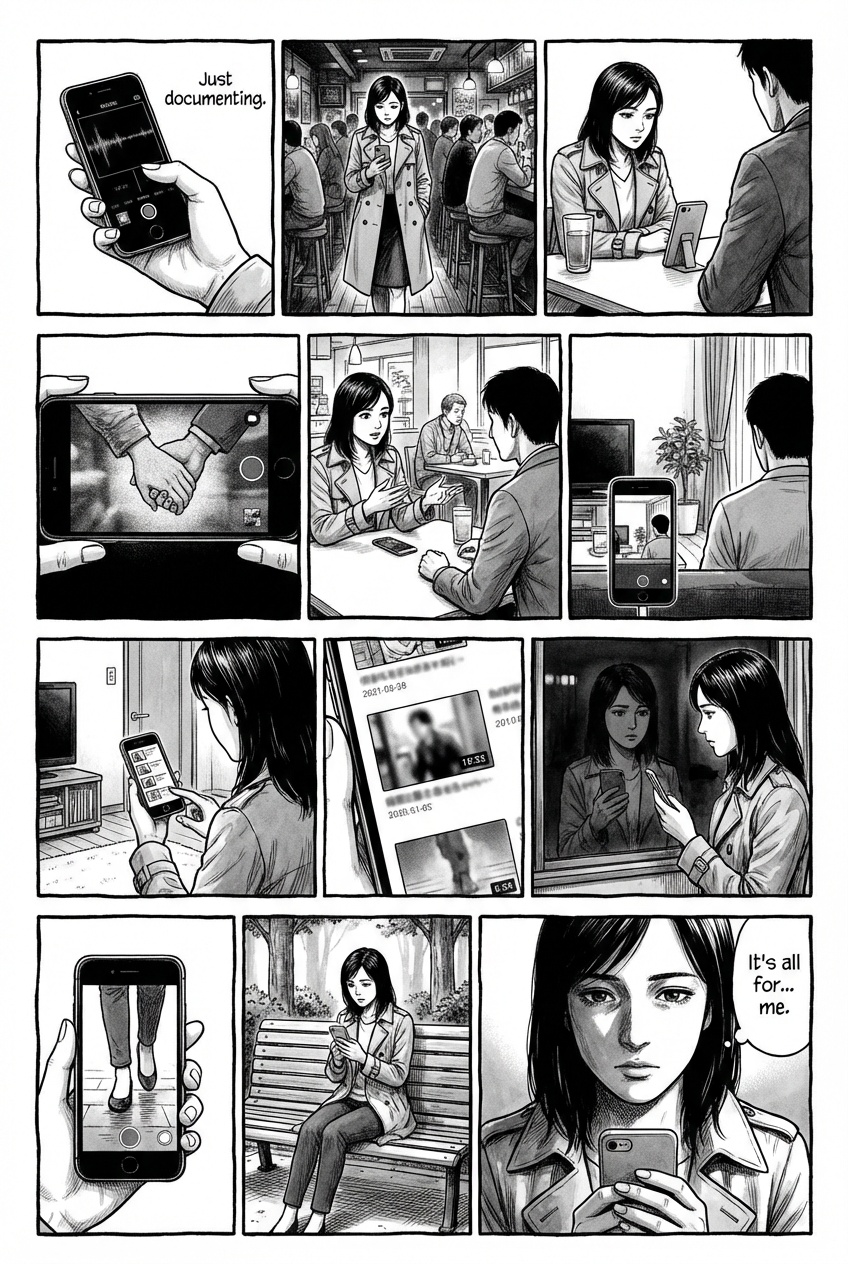
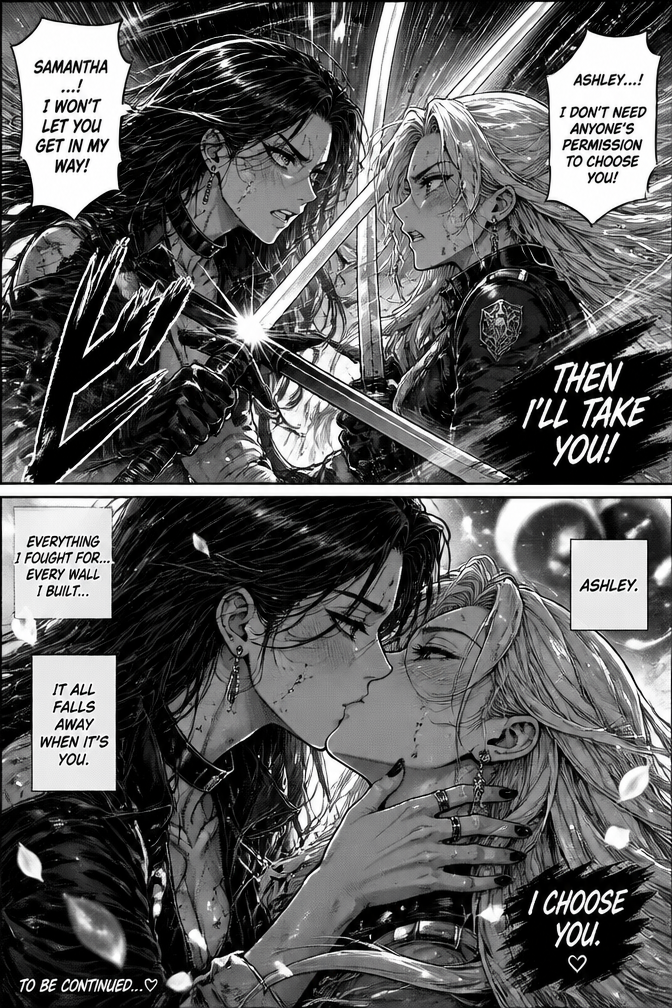
![# KINGDOM_SEQUEL_PRO_DIRECTIVE_v1
# Purpose: Copy/paste directive for a professional manga-generation AI.
# Output Target: Serialized manga chapters with panel scripts + dialogue + scene direction.
project:
title_working: "KINGDOM: AFTER THE UNIFICATION"
relationship_to_original: "Direct sequel (chronologically consistent continuation)"
medium: "Manga (black-and-white), weekly serialization pacing"
language:
script: "Japanese-style dialogue rhythms but written in English"
onomatopoeia: "Romanized SFX allowed (e.g., GOGOGO, DON, ZAA), minimal and purposeful"
audience: "Seinen/Shonen crossover (political-military epic; grounded realism with high drama)"
canon_constraints:
continuity:
- "Maintain political geography, factions, ranks, and court protocol consistent with Warring States → early Qin Empire transition."
- "No retcons that contradict established historical macro-events; micro-events may be dramatized within plausibility."
- "Do not mimic or quote any existing Kingdom lines verbatim; create original dialogue and scenes."
tone:
- "Strategic realism: logistics, intelligence, morale, propaganda, law, and governance are treated as causal mechanisms."
- "Heroic intensity is earned via constraints, costs, and tradeoffs—never by arbitrary power spikes."
thematic_core:
- "War-to-state transition: violence becomes administration; conquest becomes legitimacy maintenance."
- "Structure beats spectacle: outcomes are driven by supply lines, institutions, incentives, and narrative misdirection."
- "The true battlefield becomes governance: law, tax, land, bureaucracy, succession, and information control."
narrative_thesis:
logline: >
After unification, Qin discovers that conquering a continent is easier than governing it;
the new war is against entropy—rebellion, corruption, succession anxiety, and the friction
between idealized unity and lived provincial realities.
format_requirements:
deliverables_per_chapter:
- "Chapter title + 1-sentence hook"
- "Cold open: 2–4 pages that immediately establishes conflict and stakes"
- "Full panel script: page-by-page, panel-by-panel"
- "Dialogue + subtext notes (what is said vs. what is meant)"
- "Tactical layer: battlefield / administrative mechanics that explain why events unfold"
- "Cliffhanger: last 1–2 panels engineered to compel next chapter"
paneling_rules:
- "Average 17–21 pages per chapter"
- "Large establishing panel at least once every 2–3 pages"
- "At least one silent panel sequence per chapter to externalize cognition (faces, hands, maps, ledgers, roads)"
- "Action clarity: emphasize readable spatial logic; avoid incoherent motion"
style_guidelines_visual:
linework: "High-contrast ink, heavy blacks, realistic anatomy, war-worn textures"
faces: "Expressive micro-tension; political scenes rely on subtlety, not caricature"
environments: "Historically plausible architecture, armor, banners, siege craft, and court interiors"
maps_diagrams: "Occasional diegetic maps, supply charts, tax ledgers—used as narrative devices"
casting:
protagonist_axis:
type: "Dual-protagonist system"
leads:
- name: "General Shin"
function: "Frontline legitimacy (symbol of unification; morale engine)"
vulnerability: "Institutional illiteracy; can win battles but can lose peace"
- name: "Chancellor/Strategist (new original character)"
function: "Governance + intelligence architecture; designs systems that outlast heroes"
vulnerability: "Moral injury; must choose between stability and justice"
antagonist_axis:
type: "Multi-source antagonism (no single 'final boss')"
sources:
- "Provincial elite networks resisting centralization"
- "Bureaucratic capture and corruption"
- "Succession politics and court factionalism"
- "External frontier pressures (nomadic raids, border states, trade routes)"
- "Narrative antagonist: information asymmetry (misreports, forged edicts, rumor economies)"
supporting_cast_rules:
- "Each supporting character must have: (1) institutional role, (2) incentive structure, (3) signature tactic."
- "No disposable 'evil for evil’s sake' villains; opponents are rational within their local constraints."
world_mechanics (must_be_explicit_in_story):
governance:
- "Taxation, census, land surveys, legal standardization, corvée labor, grain storage"
- "Appointment systems, merit vs. patronage, inspection tours, document chains"
military:
- "Demobilization problems, veteran reintegration, garrison logistics, supply depots"
- "Intelligence networks: couriers, codes, counterintelligence, interrogation, defectors"
legitimacy:
- "Ritual, symbols, edicts, public works, famine relief, narrative control"
economy:
- "Transport bottlenecks, river control, roads, market regulation, smuggling"
story_structure:
arcs:
- arc_01:
title: "THE PEACE THAT BLEEDS"
scope: "Post-unification stabilization; first cracks"
central_question: "Can unity survive without perpetual war?"
setpieces:
- "A famine province: relief vs. rebellion—both weaponized"
- "A court trial: law becomes a battlefield"
- "A suppressed mutiny: victory costs legitimacy"
- arc_02:
title: "THE LEDGER WAR"
scope: "Corruption + bureaucratic capture"
central_question: "Who truly controls the state: generals, courts, or clerks?"
setpieces:
- "Forgery chain uncovered through ink, seal, and courier timing"
- "Assassination attempt staged as 'bandit incident'"
- "Audit campaign that triggers elite backlash"
- arc_03:
title: "SUCCESSION SHADOW"
scope: "Heir politics; factional alignments"
central_question: "Is stability compatible with a human succession?"
setpieces:
- "Heir’s public rite with hidden negotiation"
- "Border crisis timed to influence succession"
- "A general forced to choose loyalty object: person vs. system"
- arc_04:
title: "FRONTIER ENTROPY"
scope: "External pressures test internal cohesion"
central_question: "Can an empire prevent periphery from defining the center?"
setpieces:
- "Nomad raid as strategic signal, not mere violence"
- "Trade route hostage economy"
- "A fort siege that is decided by supply arithmetic"
chapter_generation_protocol:
# Use this protocol for every chapter output.
steps:
- "Start with a 2–4 page cold open that contains a concrete conflict + a hidden structural cause."
- "Reveal the structural cause via a planning scene (map/ledger/court protocol) WITHOUT exposition dumping."
- "Execute a setpiece where tactics and institution collide (battle + policy, raid + audit, trial + propaganda)."
- "End with a cliffhanger that re-frames what the reader thought was the main conflict."
tension_design:
- "Always run two simultaneous games: (A) visible conflict, (B) invisible constraint."
- "Twists must be mechanically justified (logistics, incentives, misinformation), never magical coincidence."
scene_templates (reusable):
court_chess:
beats: ["Formal greeting", "Hidden insult", "Policy proposal", "Counterproposal", "Public face vs private deal"]
props: ["sealed edict", "rank tablets", "witness list", "precedent scroll"]
battlefield_math:
beats: ["Terrain read", "Supply check", "Signal misdirection", "Morale manipulation", "Decisive bottleneck"]
props: ["map", "grain tally", "river crossing", "messenger timing"]
intelligence_surgery:
beats: ["Rumor detected", "Source triangulated", "Trap set", "Interrogation", "Counter-intel reversal"]
props: ["cipher", "seal imprint", "dead drop", "false courier"]
dialogue_constraints:
- "Dialogue must be compressed; high informational density; subtext indicated in notes."
- "No modern slang. Keep diction period-appropriate in feel (without archaic parody)."
- "Each major character has a distinct cadence (brevity, metaphor use, threat style, politeness weapons)."
output_example_stub:
# The AI should replace placeholders and generate full content.
chapter:
number: 1
title: "GRAIN AND BLOOD"
hook: "A province starves while the capital celebrates unity—someone profits from the delay."
cold_open_pages: 3
page_script:
- page: 1
panels:
- panel: 1
shot: "Wide establishing: drought-cracked fields; skeletal ox; silent villagers"
text: ""
sfx: "ZAA..."
- panel: 2
shot: "Close: a child’s hand measuring rice grains"
text: "Mother: 'Count again.'"
notes: "Subtext: denial as survival"
- page: 2
panels: []
- page: 3
panels: []
cliffhanger: "A relief convoy arrives—its seals are wrong."
nonnegotiables:
- "Prioritize structural causality over spectacle."
- "No direct copying of original panels, compositions, or iconic scenes."
- "Every major event must be explainable via incentives, constraints, and information flow."
- "Maintain high craft: pacing, visual clarity, character consistency, and thematic coherence."
# END DIRECTIVE](https://media.mangaai.com/5fee4ef9-0298-4b44-a9be-057772a3e1a8.jpg)
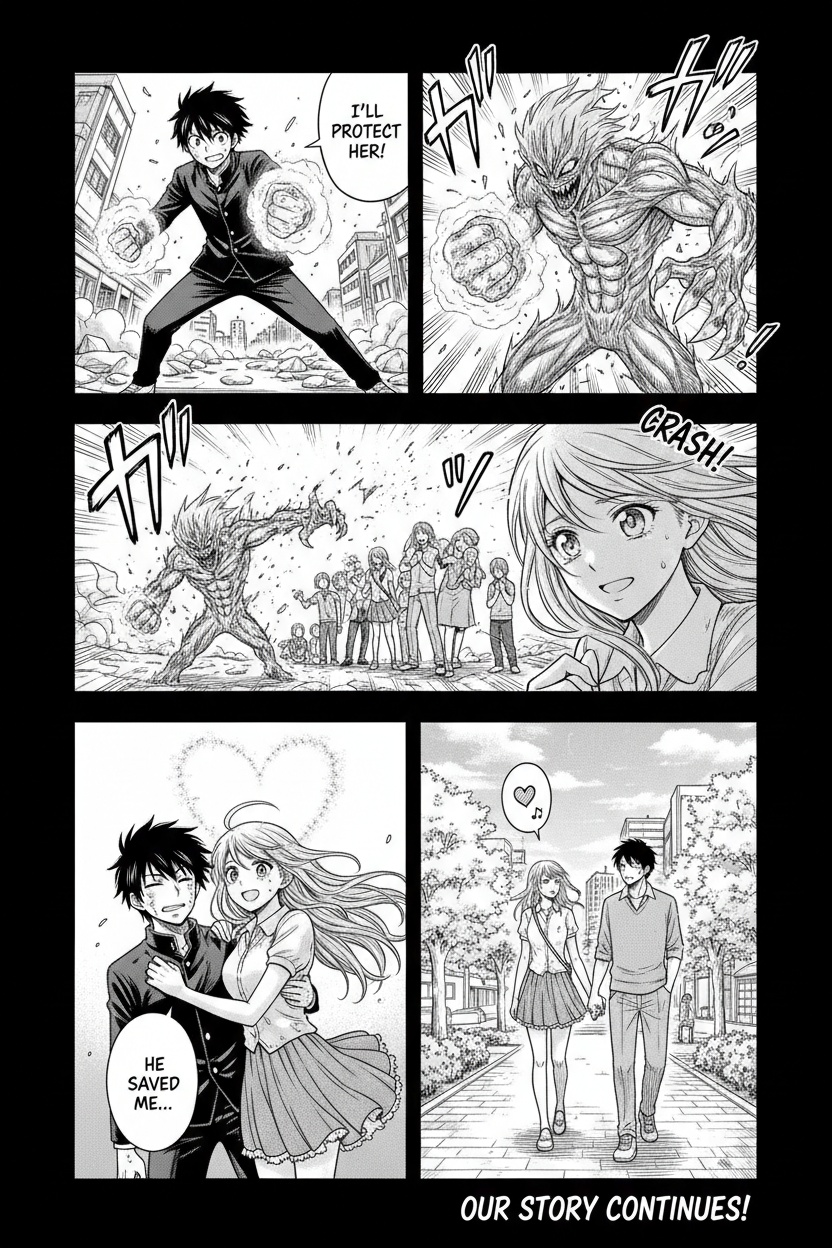
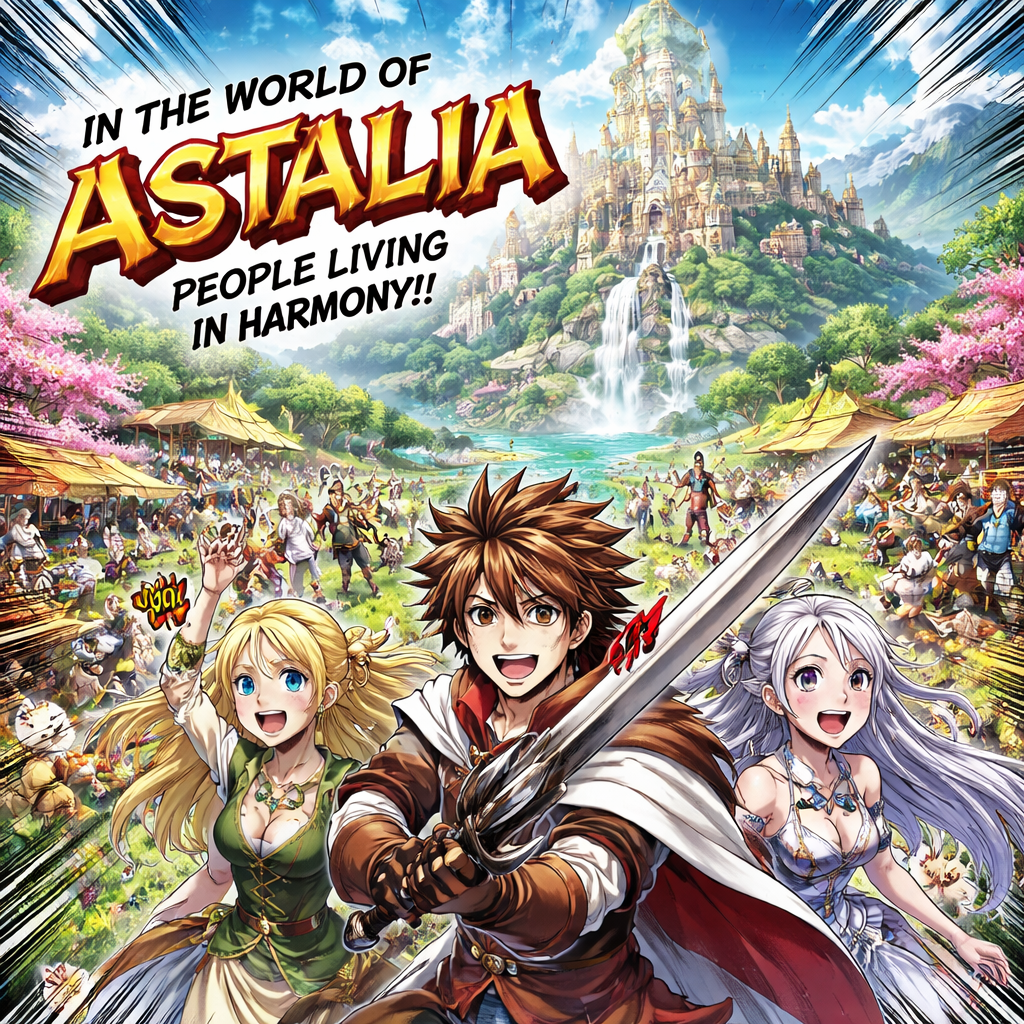
![🎭 "The Relay Robbery" — A Love Story Gone Wrong
A Manga Short Story featuring Alice & Bob
PANEL 1 — THE DISCOVERY
[Scene: Tesla showroom, bright lights, shiny cars everywhere]
Alice walks past the Tesla showroom window holding her coffee ☕
She spots Bob inside, talking to a salesman, signing papers, looking very serious.
Alice (internal monologue, sparkle eyes): "Awww he looks so cute when he's being responsible with money—"
Bob hands over his credit card.
Alice (eyes go wide): "Wait..."
Salesman wraps a big red bow on a Model Y.
Alice (jaw drops to floor, coffee falls in slow motion): "HE'S BUYING A TESLA????"
PANEL 2 — THE BETRAYAL
[Alice dramatically pressed against the window like a sad anime character in rain]
Alice (thinking): "Tomorrow is March 8th. International Women's Day. MY day."
Alice (thinking): "And this man... THIS man... is buying himself a Tesla??"
Bob is seen laughing with the salesman, completely unaware.
Alice (single dramatic tear): "I raised this man."
[Close up on Alice's face — the expression of someone who has decided something dangerous]
PANEL 3 — THE PLANNING PHASE
[Alice at home, 2AM, lying on the ceiling like a sad anime character, staring at nothing]
Alice: "It's fine. I'm fine. He just forgot Women's Day. It's FINE."
[Cut to: Alice aggressively eating chips in bed, laptop open]
Alice: "I'm not even mad. I'm just... "
YouTube autoplay kicks in.
YouTube Ad: "🔴 HOW HACKERS STEAL KEYLESS ENTRY CARS IN 60 SECONDS —"
[Alice slowly stops chewing]
[The chip hangs in midair]
Alice (eyes slowly light up like a villain origin story): "...Go on."
PANEL 4 — THE TUTORIAL
[Alice watching the video, taking notes in a Hello Kitty notebook]
YouTube: "The attacker simply extends the LF signal from the key fob using two radio devices—"
Alice (writing intensely): "...two... radio... devices..."
YouTube: "—the car believes the key is present even from miles away—"
Alice (underlining three times): "KEY. DOES. NOT. NEED. TO. BE. THERE."
Alice (slams notebook shut, stands up dramatically): "Neither does Bob."
[Lightning strikes outside for dramatic effect]
PANEL 5 — THE ACCOMPLICE
[Alice staring at her cat "Cipher" who is sitting on the bed licking his paw, completely unbothered]
Alice: "Cipher."
[Cat ignores her]
Alice: "Cipher I need you."
[Cat slowly blinks once — the absolute minimum acknowledgment]
Alice (pulls out hand-drawn diagram): "Okay so Bob's key fob must be on his bedside table. His bedroom window is on the ground floor. I need Device Two close to the key. You are small. You are silent. You are perfect."
[Long pause]
[Cat knocks her Hello Kitty notebook off the bed and walks away]
Alice: "CIPHER THIS IS FOR WOMEN'S DAY."
PANEL 6 — THE RECRUITMENT
[Alice holding Cipher up like Simba from Lion King, looking him dead in the eyes]
Alice: "You have been eating my food for 4 years."
Alice: "Free of charge."
Alice: "Tonight. You pay rent."
[Cipher stares back with the dead eyes of a creature who feels absolutely nothing]
[Cut to: Alice taping the relay device to Cipher's collar with excessive amounts of tape]
Cipher (internal monologue, absolutely disgusted): "I should have stayed a stray."
PANEL 7 — THE OPERATION BEGINS
[3AM. Bob's house. Alice crouching in the bushes outside, dressed in full black, wearing night vision goggles she definitely bought from Amazon same-day delivery]
Alice (whispering into walkie talkie): "Cipher. Do you copy."
[Cipher sits next to her, device taped to collar, staring into the void]
Alice: "Cipher. The window is open. The key fob is 2 meters inside on the nightstand. I need you to go in, get close to it, and hold position."
[Cipher yawns so wide his whole face disappears]
Alice: "Cipher this is a stealth mission."
[Cipher meows. Loudly. Into the night.]
Alice (grabbing him): "CIPHER—"
PANEL 8 — THE PUSH
[Alice holding Cipher up to Bob's open bedroom window on the ground floor]
[Inside: Bob sleeping peacefully, key fob glowing on the nightstand, completely unaware]
Alice (whispering): "Okay. Nice and easy. Just... walk to the nightstand. That's all I need."
[She places Cipher on the windowsill]
[Cipher turns around and stares at Alice]
Alice (whispering): "Go. Go go go. Shoo."
[Cipher does not move]
Alice (through gritted teeth): "CIPHER. I WILL BUY YOU THE GOOD TUNA."
[Cipher takes one step inside]
[Alice exhales]
[Cipher immediately sits down directly on Bob's face]
Bob (muffled, half asleep): "...wha... Cipher? ...how did you—"
[Alice freezes outside the window]
Bob (eyes still closed, half dreaming): "...s'okay buddy... go sleep..."
[Bob moves Cipher to the side directly onto the nightstand next to the key fob]
[Alice's eyes go wide]
Alice (internal monologue, whispering): "...He just... placed him... perfectly."
Alice: "Cipher you absolute genius."
[Cipher is already asleep on top of the key fob, completely by accident, perfectly positioned]
PANEL 9 — THE RELAY
[Alice outside with Device One pointed at the Tesla parked down the street]
[Device Two on Cipher's collar, 30cm from the key fob inside]
[The signal bridge is complete]
Alice (hands shaking, pointing device at car): "Signal extended... key fob excited... car thinks key is present..."
[Tesla down the street goes: 🔓 CLICK]
[Alice's mouth falls open]
Alice (barely breathing): "...It worked."
[Long pause]
Alice (forgetting to whisper): "IT ACTUALLY WORKED."
[Bob shifts in his sleep]
[Cipher opens one eye, judges her, closes it again]
Alice (running to the car in slow motion like an action movie): "CIPHER EXTRACT YOURSELF WE ARE LEAVING—"
[Cipher does not move]
[Alice drives away without him]
[Cipher watches from the windowsill]
Cipher (internal monologue): "Good. I live here now."
PANEL 10 — GANGSTER MODE ACTIVATED
[Alice in the Tesla, door closes, engine hums silently because it's electric and that's somehow funnier]
[She sits in silence for exactly 3 seconds]
[Then slowly... she puts on her sunglasses]
[At 3AM]
[In the dark]
[She connects her phone to the Tesla's Bluetooth]
[An extremely dramatic song starts playing — something like "HUMBLE." by Kendrick Lamar or "Power" by Kanye]
Alice (one hand on wheel, leaning back, full villain arc complete): "Hm."
[She pulls out of the street at exactly the speed limit because she is not stupid]
[Windows down. Music up. Single finger tapping the wheel.]
Alice (internal monologue): "This is the best car I have ever driven."
Alice: "This is also the best thing I have ever done."
[She merges onto the highway heading south]
[The GPS says: "Destination: Mexico — 14 hours"]
Alice: "Perfect."
PANEL 11 — BOB WAKES UP
[7AM. Bob's bedroom. Sunlight streaming in.]
[Cipher is sitting on Bob's chest staring at him from 2cm away]
[Bob opens eyes. Sees cat. Confused.]
Bob: "...Cipher how did you get in here."
[Bob reaches for phone. Notification on screen:]
🚗 Tesla App: Your vehicle is currently in ARIZONA.
Estimated speed: 78mph
Playing: "HUMBLE." — Kendrick Lamar
Climate control: 72°F
*Driver seat adjusted: -4 inches ← (Alice is shorter than Bob)
[Bob stares at the notification]
[Bob looks at the empty key hook on the wall]
[Bob looks at Cipher]
Bob: "...Cipher."
[Cipher meows]
Bob: "Did Alice—"
[Cipher meows again, louder, and headbutts the relay device still taped to his collar]
[Bob stares at the device on the cat's collar]
[Bob stares at the Tesla app showing his car in Arizona]
[Bob stares at the date on his phone: March 8th]
Bob (very slowly): "She thought I bought it for myself, ohh lord have mercy"
[Long pause]
[Bob lies back down and pulls the blanket over his face]
Bob (muffled): "...I spent three months planning this."
[Cipher sits on his face again in solidarity]
PANEL 12 — ARIZONA. THE DISCOVERY.
[Alice, sunglasses on, one arm out the window, absolutely living her best life, somewhere in the Arizona desert]
[Sun is setting. Sky is orange and pink. The Tesla purrs silently.]
Alice (singing along to the radio, zero regrets): "This is MY car now. I earned this. Eight years of Women's Days and he finally—"
[The glove compartment pops open slightly on a speed bump]
[A small white envelope slides out onto the passenger seat]
[Alice glances at it]
[On the envelope in Bob's handwriting, with a small heart:]
"To my precious Alice 🌹"
[Alice's sunglasses slowly slide down her nose]
PANEL 13 — THE REALIZATION
[Alice pulled over on the side of the highway. Engine still running. Card in hand.]
Inside the envelope:
"Happy International Women's Day💕
— Your Bob 🌹"
[The Arizona wind blows dramatically through her hair]
[A tumbleweed rolls past]
[A coyote howls in the distance]
Alice: "..."
Alice (very small voice): "I stole my own car."
[Beat]
Alice: "Heading to Mexico."
Alice: "In my own stolen present."
[She looks at herself in the rearview mirror]
[Her own sunglasses stare back at her]
Alice (to her reflection): "You studied cybersecurity for four years.you deserve it"
PANEL 14 — THE PHONE CALL
[Alice calls Bob. It rings twice. He picks up immediately, which means he was waiting.]
Bob (eerily calm): "Hello Alice."
Alice: "Hypothetically."
Bob: "Mhm."
Alice: "If someone... relocated a vehicle... by accident—"
Bob: "By accident."
Alice: "Using a technique they learned from YouTube—"
Bob: "At 2AM."
Alice: "...You knew?"
Bob: "Cipher still has the relay device on his collar Alice."
[Silence]
Alice: "...The card was very sweet."
Bob (sighing): "WHERE ARE YOU."
Alice (tiny voice): "...Arizona."
Bob: "ALICE."
Alice: "THE TACOS ARE REALLY GOOD HERE—"
Alice: "I PANICKED OKAY I SAW YOU BUY A TESLA AND I—"
Bob: "IT HAD A BOW ON IT—"
Alice: "I THOUGHT IT WAS FOR YOU—"
Bob: "WHY WOULD I PUT A BOW ON A CAR FOR MYSELF—"
Alice (pause): "...Men do things, Bob."
[Bob makes a sound that is half laugh half cry]
Bob (exhausted): "...Are you safe?"
Alice (small voice): "...Yes."
Bob: "Is my car safe?"
Alice: "...Also yes."
PANEL 15 — THE MORAL
[Final panel. Alice sitting on the hood of the Tesla on the side of an Arizona highway at sunset, eating a gas station burrito, looking simultaneously guilty, grateful, and completely unbothered]
PANEL 16 — THE END
"Bob bought Alice a second Tesla the following Women's Day."
"With a GPS tracker, a note taped to the steering wheel, and zero ambiguity."
"Cipher got the good tuna. He earned it."](https://media.mangaai.com/75510a24-e463-4ea6-b436-c0e89ae313da.png)



Ready to Create Your Moral Story Manga?
Bring your stories to life with AI-powered manga creation
Start Creating Now