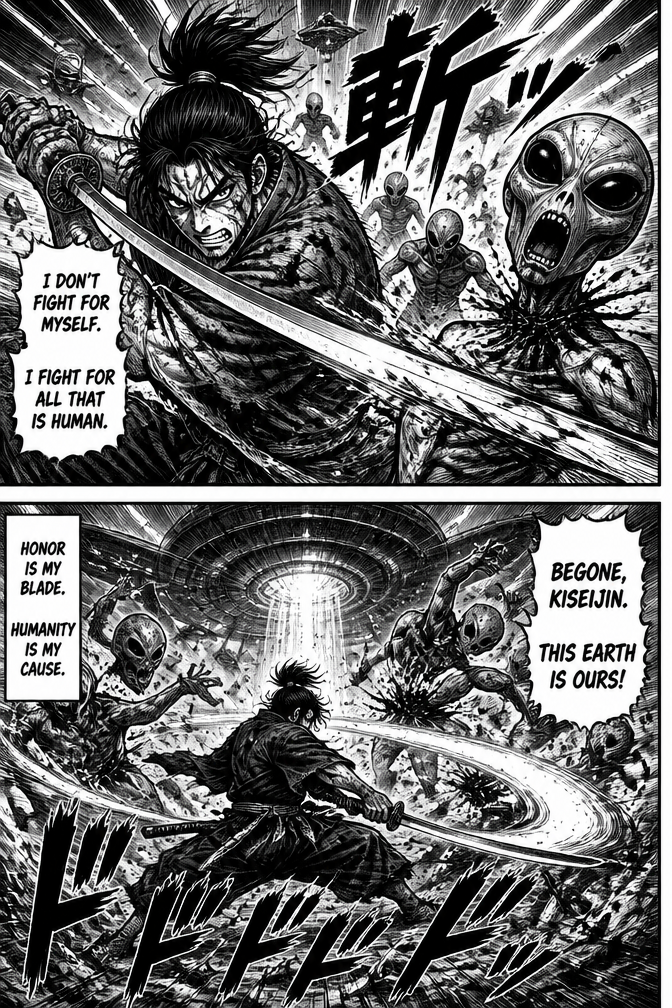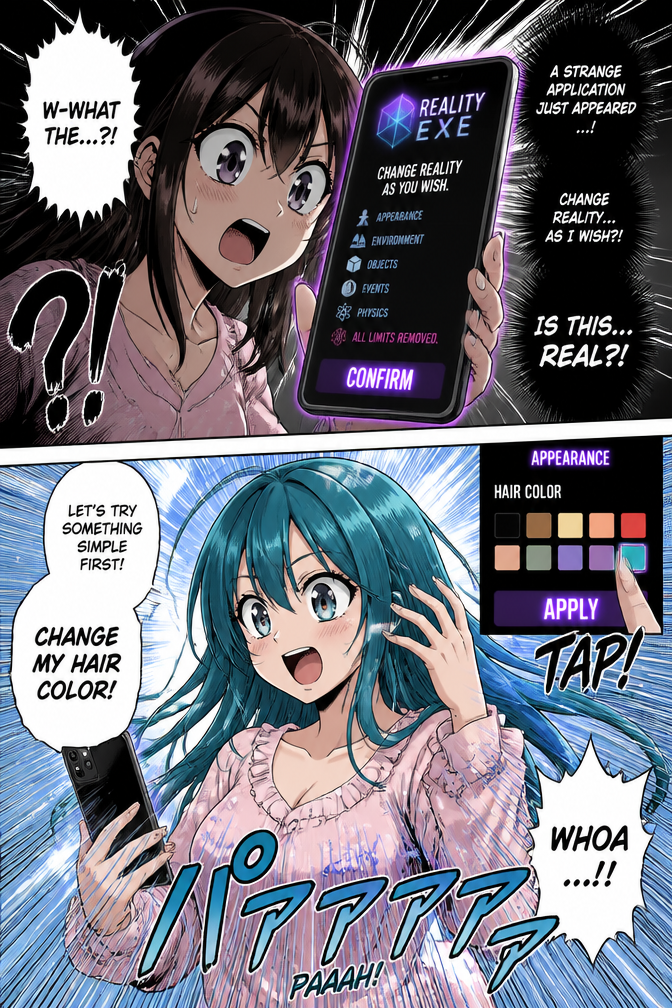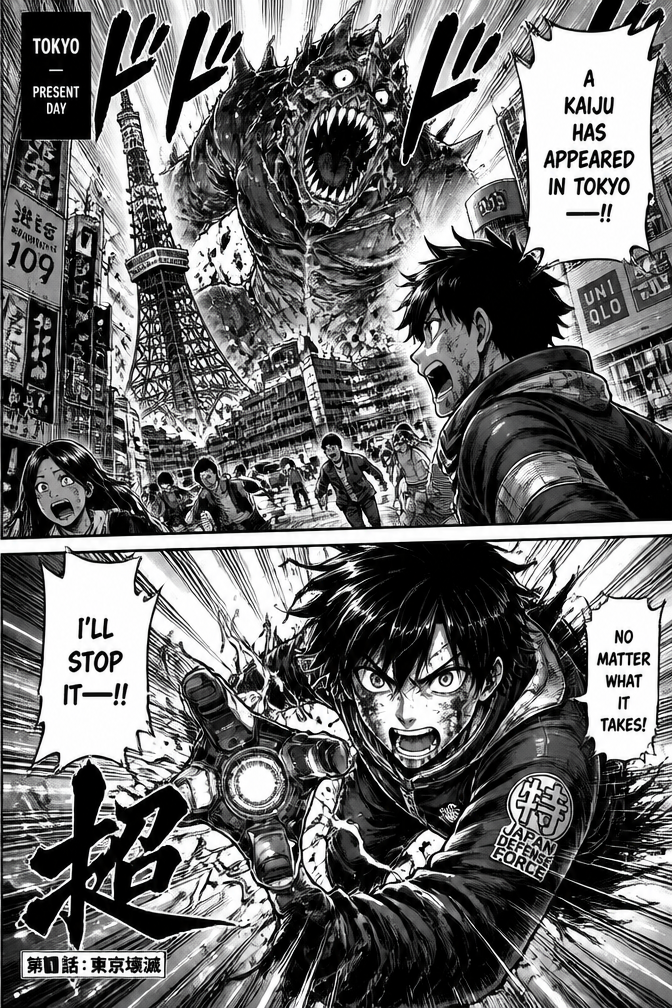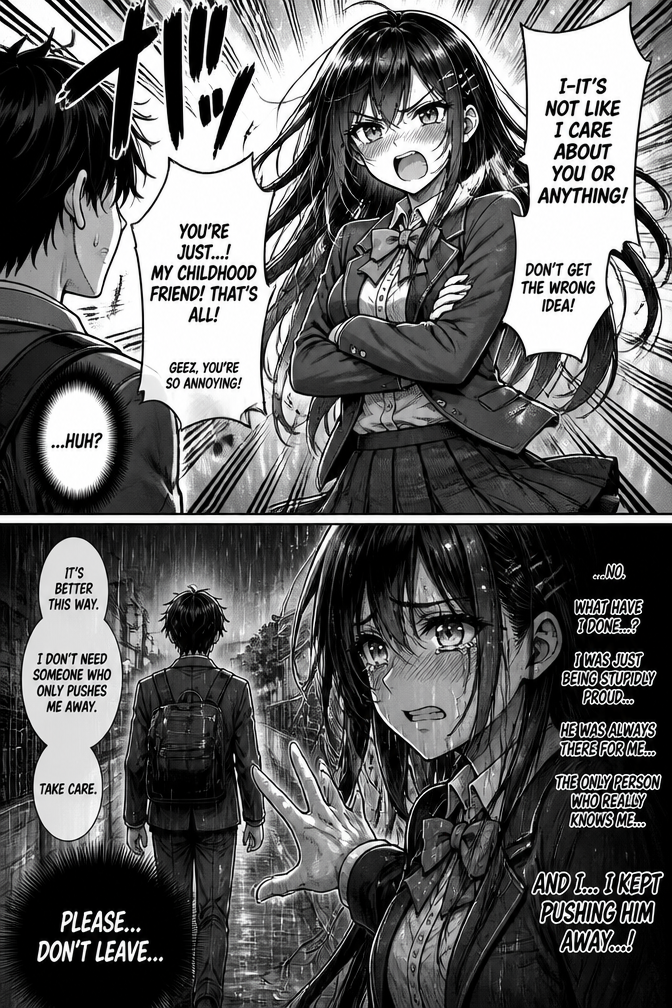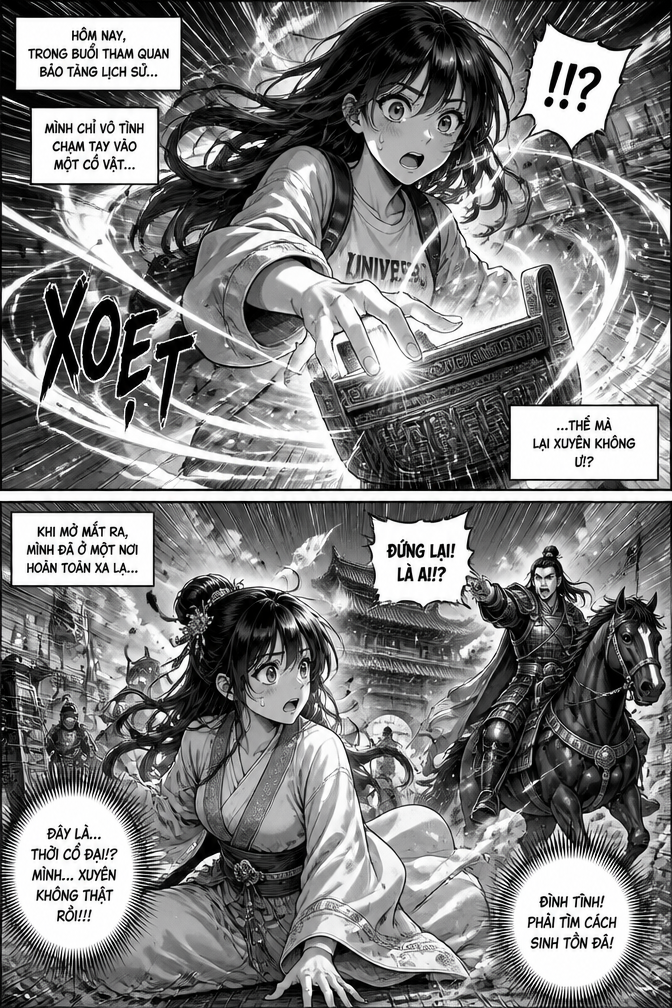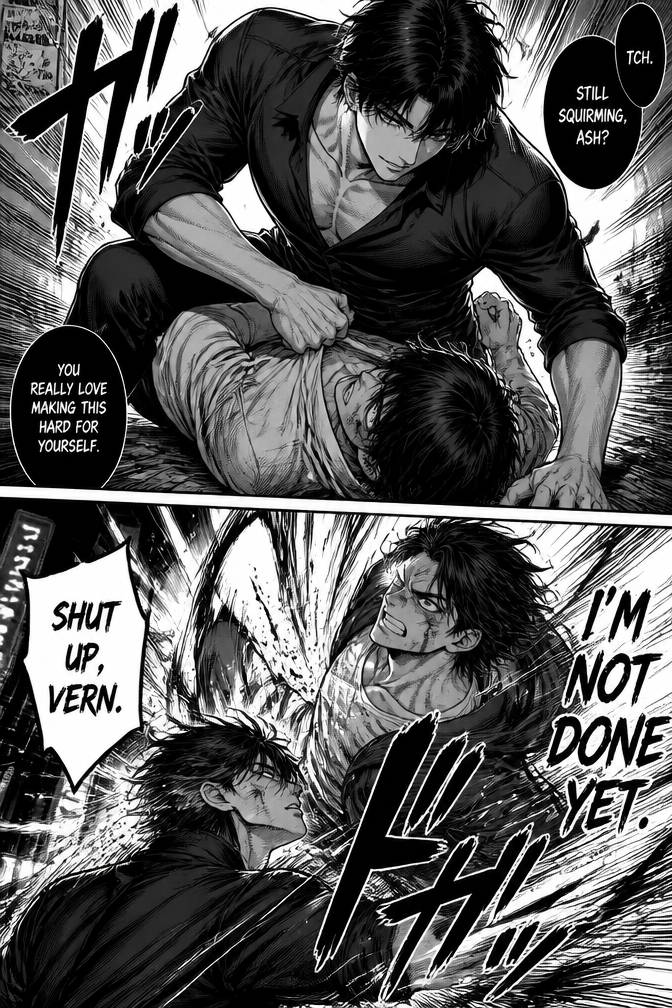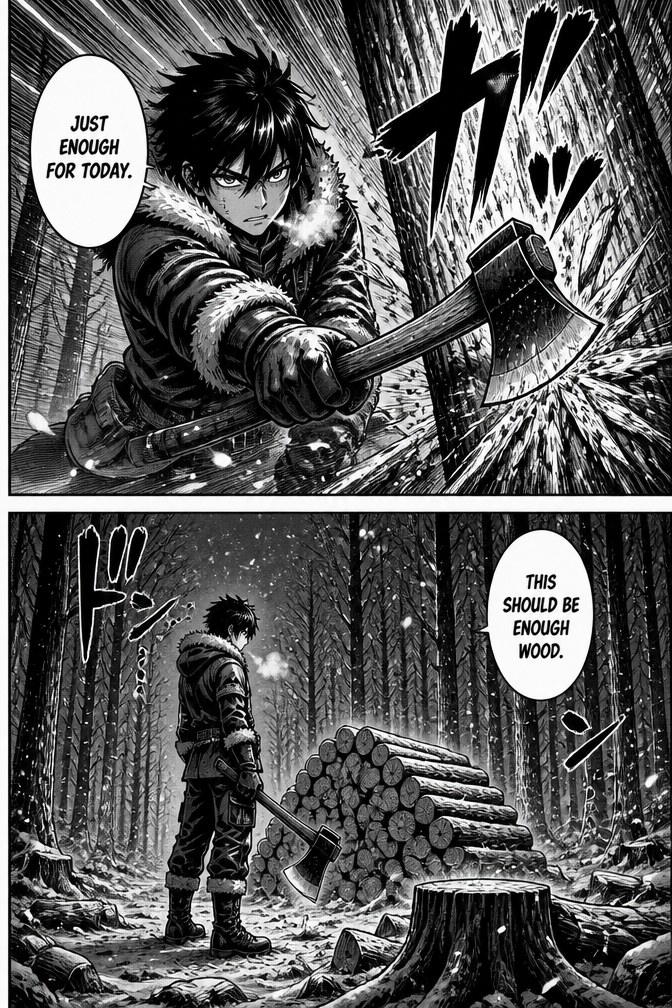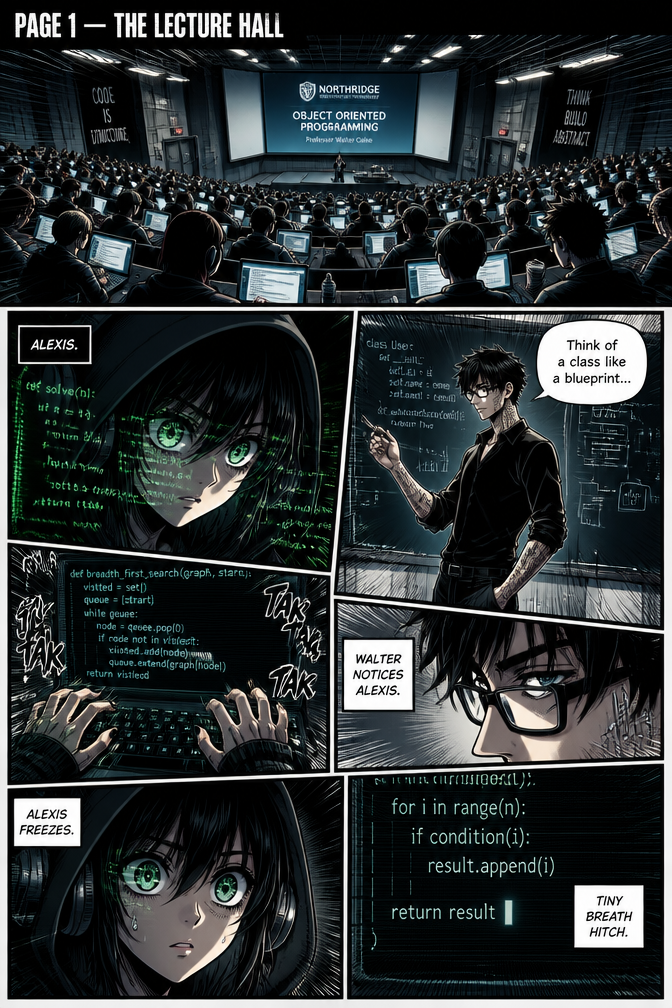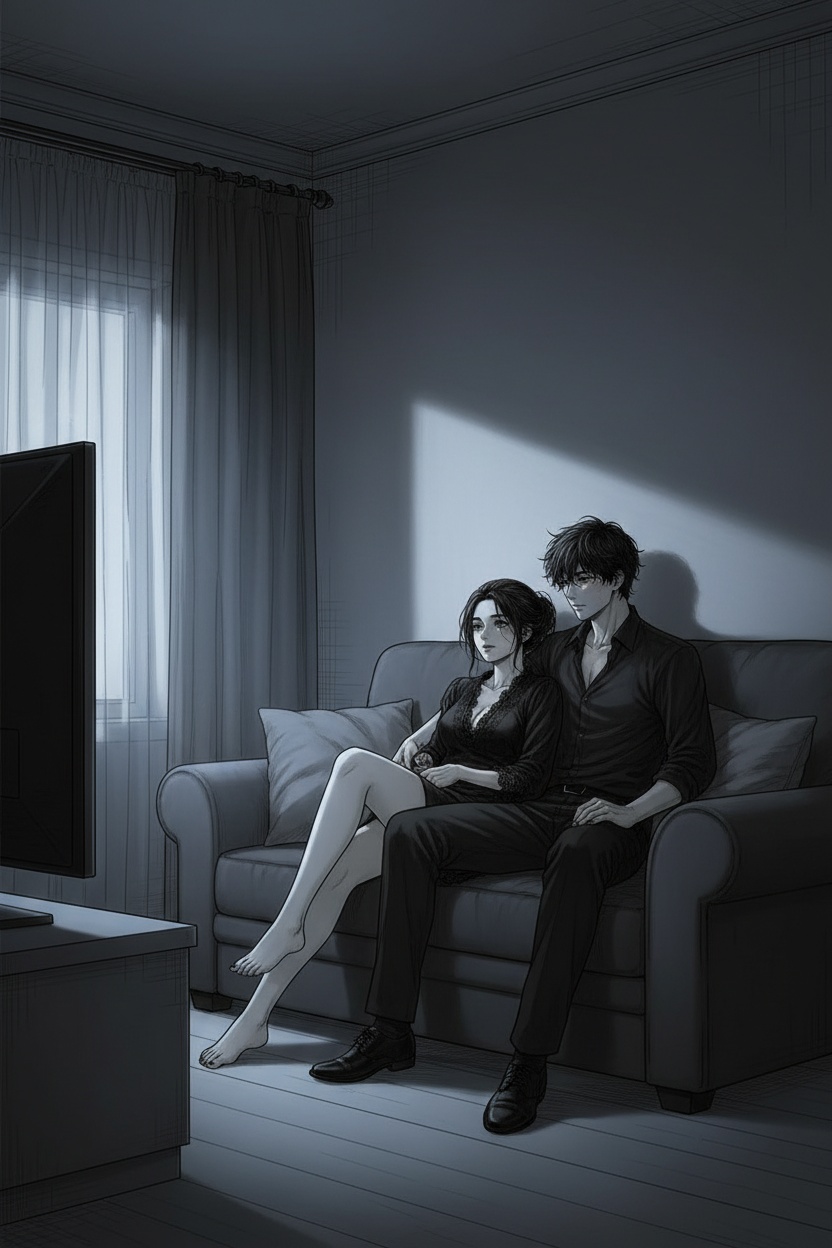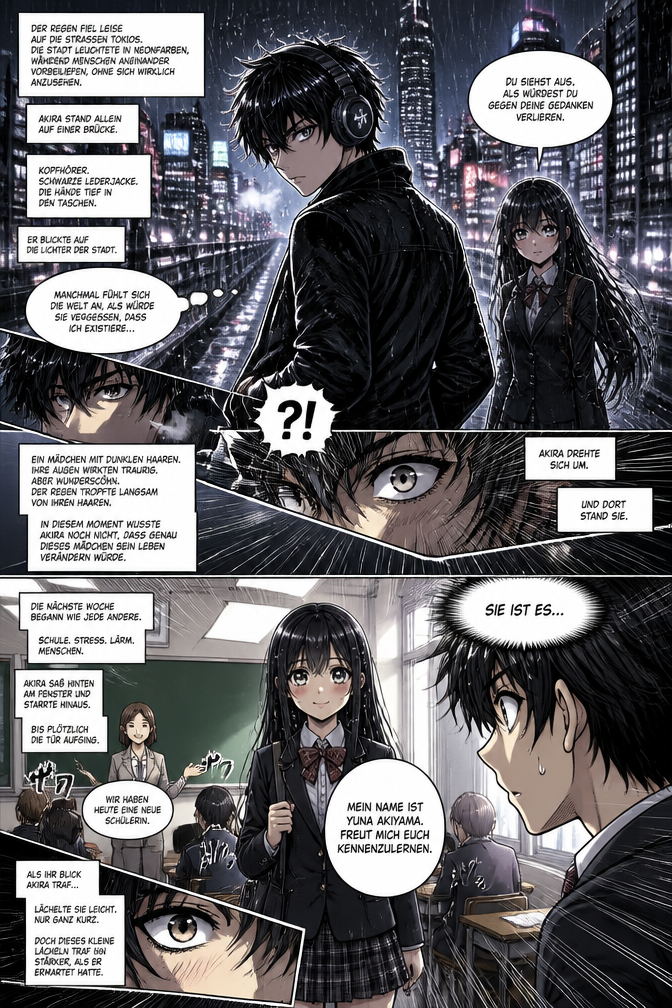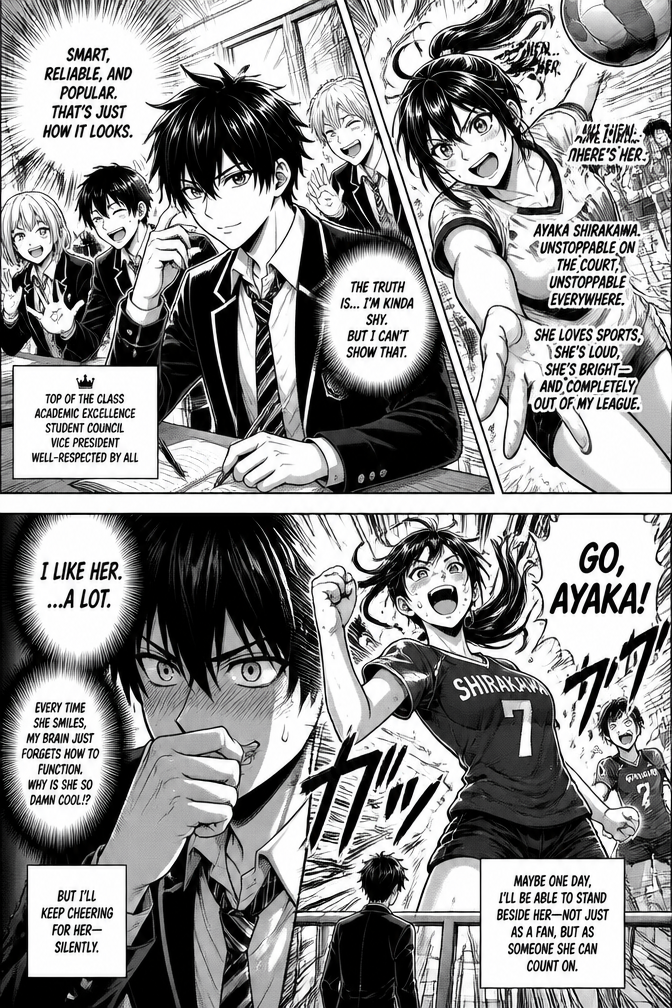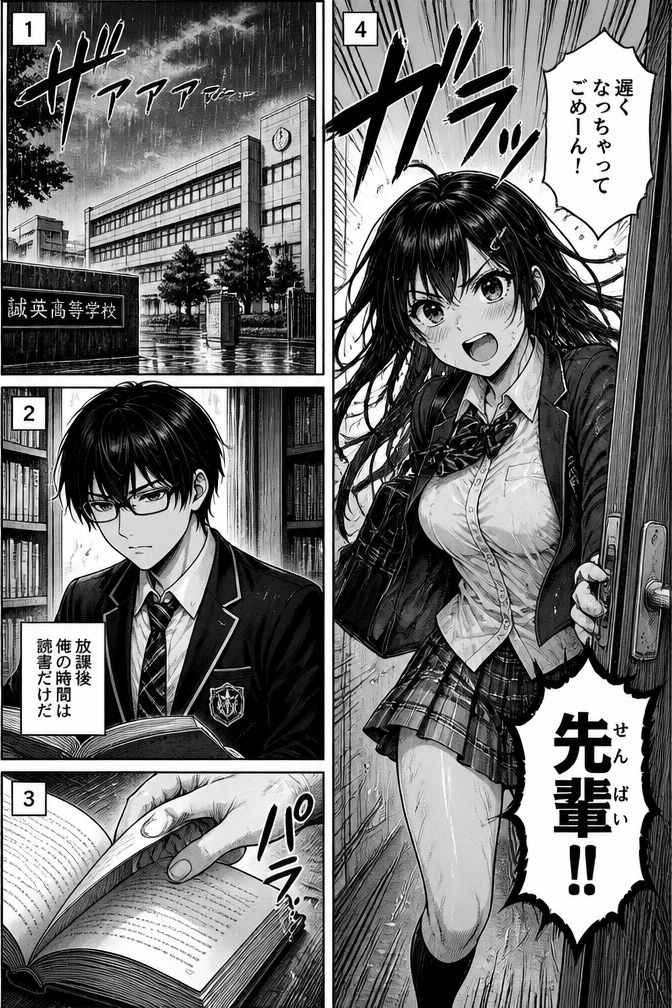
Manga Story
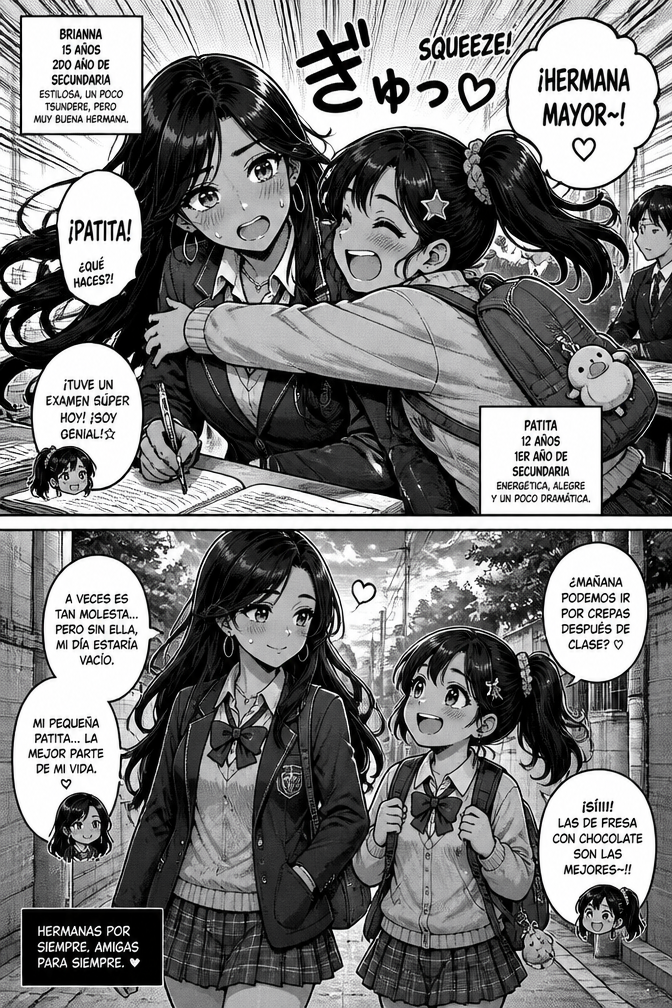
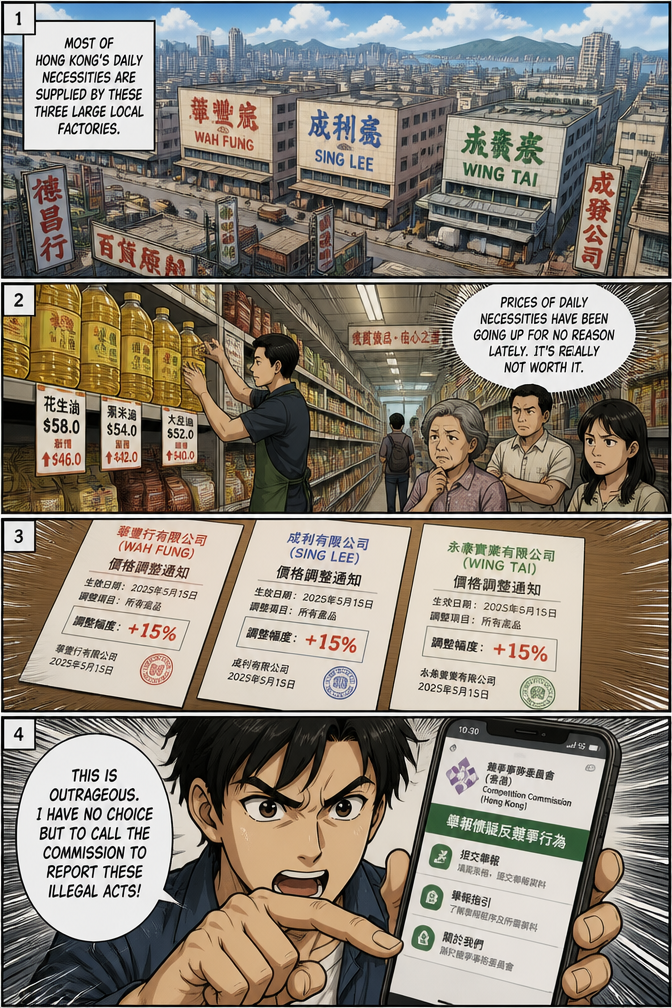
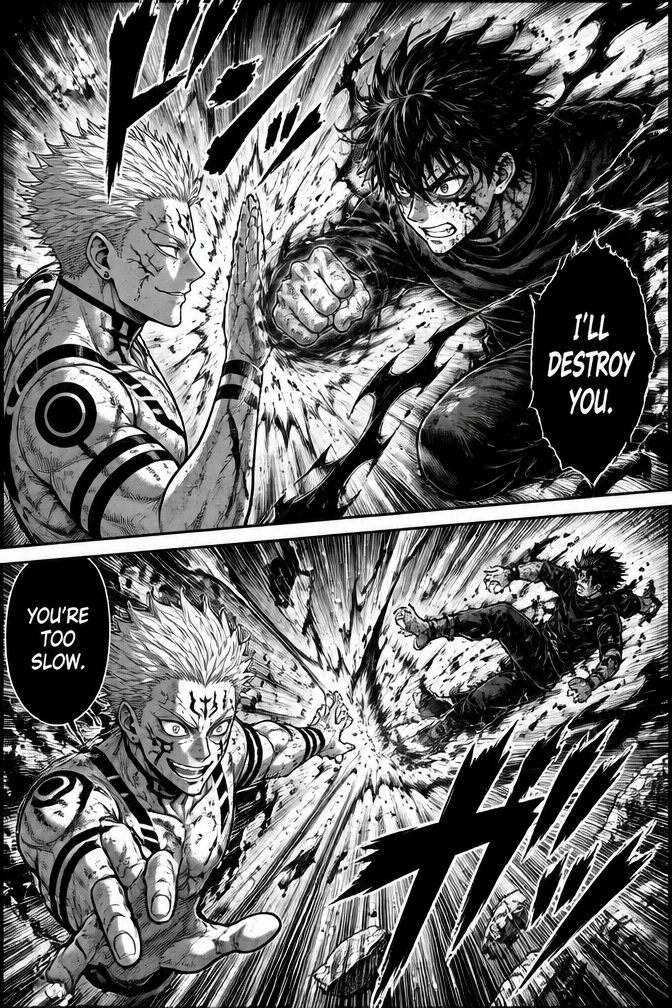
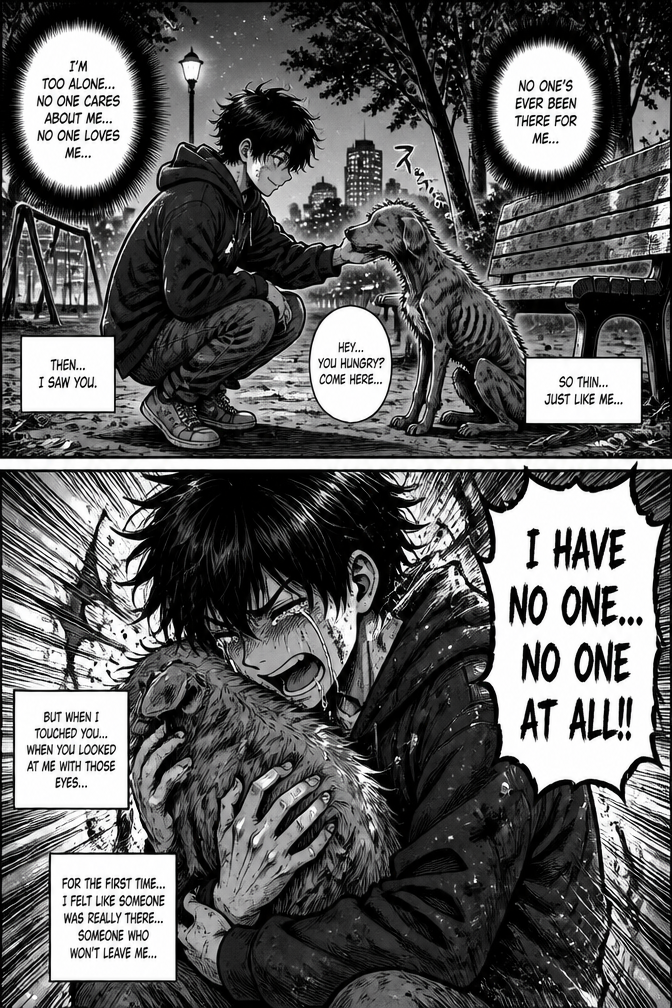
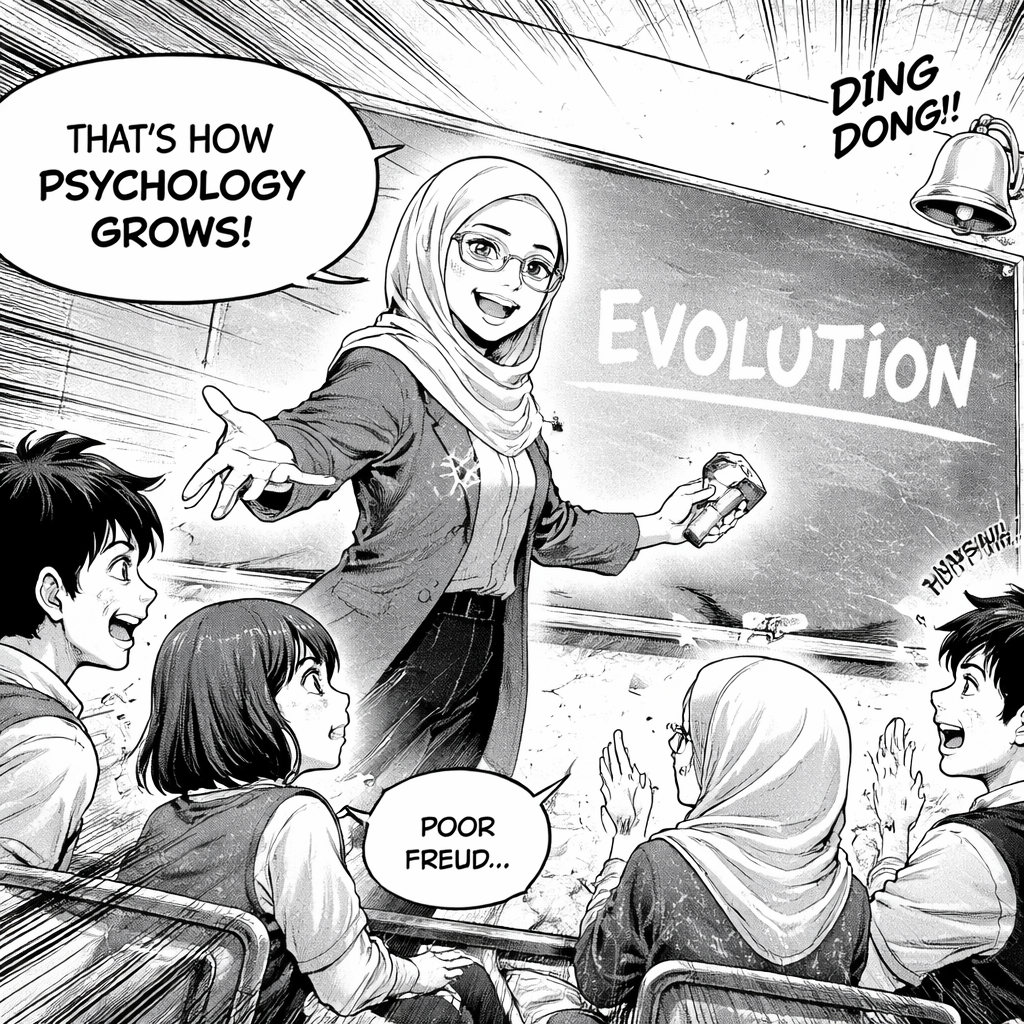
Ms. Aisyah walked slowly between the desks. “One of Freud’s followers, Carl Jung, disagreed with him.” “What did he change?” Mei Ling asked. “Jung said the unconscious isn’t just personal,” she explained. “He believed in a collective unconscious.” The class looked confused. “It means,” she continued, “humans share universal memories and symbols — called archetypes.” “Like heroes? Mothers? Villains?” Amir asked. “Exactly!” she smiled. “Jung moved beyond just sexual instincts and focused on shared human experiences.”Ms. Aisyah erased the board and wrote in big letters: INFERIORITY “Alfred Adler believed people are driven by the need to overcome feelings of inferiority.” “Not hidden desires?” Farah asked. “No. He believed we strive for superiority — to improve ourselves.” She continued, “He also created birth order theory.” “Firstborns?” someone whispered. “Yes. Firstborns may become overachievers. Middle children competitive. Youngest children may feel less responsible.” “But is it proven?” Amir asked. Ms. Aisyah smiled knowingly. “Research shows birth order has very little effect on personality. But Adler’s idea about striving for improvement remains influential.”The class was now fully awake. “Karen Horney strongly disagreed with Freud’s ideas about women,” Ms. Aisyah said firmly. “She replaced ‘penis envy’ with something different.” The class shifted awkwardly. “She argued that what truly matters is basic anxiety.” “What’s that?” Mei Ling asked. “It’s the anxiety children feel when they are small in a big, powerful world.” She showed a photo of a child sitting alone at a beach. “Children cope with anxiety in different ways — by moving toward people, against people, or away from people.” “So personality comes from insecurity?” Farah asked. “Partly. Horney believed poor childhood security leads to unhealthy relationship patterns.”Finally, Ms. Aisyah wrote: Life Span Development “Erik Erikson agreed with Freud that childhood matters,” she said, “but he believed development continues throughout life.” “Not just childhood?” Amir asked. “No. Erikson created eight psychosocial stages — from infancy to old age.” She drew a timeline across the board. “Each stage involves a social conflict. Trust vs mistrust. Identity vs role confusion. And so on.” “So it’s more social than sexual?” Mei Ling asked. “Exactly.”Ms. Aisyah leaned against her desk. “So what did the Neo-Freudians do?” Silence. Then Amir spoke carefully. “They kept Freud’s idea of the unconscious… but focused more on social relationships?” Ms. Aisyah beamed. “Yes. They moved away from sexual instincts and emphasized culture, relationships, anxiety, personal growth, and lifelong development.” The bell rang loudly. As the students packed their bags, Farah whispered, “Poor Freud. Everyone changed his theory.” Ms. Aisyah laughed softly. “That’s how psychology grows.” She erased the board slowly, leaving only one word behind: Evolution.
Related Tags
More Manga to Explore
![ADEGAN 1 — EKSTERIOR, HALAMAN KOSONG — SIANG
[Shot wide]
Sebuah halaman beton kosong. Langit cerah. Angin kecil menggulung satu daun kering lewat frame. Tidak ada siapa-siapa.
Suara: Angin sepoi, langkah kaki kecil di kejauhan.
---
ADEGAN 2 — EKSTERIOR, SAMA — LANJUTAN
[Shot medium dari samping]
Cewek masuk frame dari kiri. Rambut berantakan, baju lusuh, ekspresi capek berat. Menyeret kursi kayu dengan satu tangan.
Suara: Gesekan kaki kursi di beton. Sreeet... sreeet...
Dia berhenti di tengah frame. Taruh kursi dengan hati-hati. Mengelap keringat. Duduk. Wajahnya berubah dari capek jadi senyum damai.
Dia menutup mata. Menghirup napas panjang. Puas.
Suara: Desah napas lega.
---
ADEGAN 3 — EKSTERIOR, SAMA — LANJUTAN
[Shot wide]
Dari sisi kanan frame, Cowok muncul. Berjalan tanpa suara. Postur lurus kaku. Ekspresi benar-benar datar, mata setengah tertutup.
Dia berhenti tepat di samping kursi, berdiri menghadap depan. Tidak melihat si Cewek. Tidak melihat kursi. Hanya... ada.
Suara: Hening. Angin.
Cewek membuka satu mata. Melirik ke atas ke arah Cowok.
---
ADEGAN 4 — INTERAKSI PERTAMA
[Shot medium, framing keduanya]
Cewek menunjuk dirinya sendiri, lalu menunjuk kursi. "Ini aku. Kursi."
Cowok melirik dengan mata super lambat. Dari bola mata bawah, naik sedikit. Melihat Cewek. Melihat kursi. Kembali melihat lurus ke depan. Tidak bereaksi.
Cewek berdiri. Gestur mempersilakan duduk dengan dua tangan. Wajah ramah.
Cowok menggeleng kecil. Sekali. Datar.
---
ADEGAN 5 — LOOP TAWAR-MENAWAR
[Shot close-up bergantian, tempo makin cepat]
Cewek menawarkan kursi — gestur lebih besar.
Cowok menolak — geleng makin tipis.
Cut ke Cewek: menawarkan dengan mata melotot.
Cut ke Cowok: geleng dengan mata masih setengah tutup.
Cut ke Cewek: menawarkan sambil melompat kecil.
Cut ke Cowok: geleng sambil memejamkan mata.
Speed ramp: Sekarang bergantian super cepat. Gestur tawaran makin absurd — Cewek menunjuk kursi, tepuk kursi, gosok-gosok kursi, peluk kursi, angkat kursi ke arah Cowok. Cowok tetap menggeleng datar di setiap cut.
Suara: Whoosh whoosh whoosh makin cepat. Lalu tiba-tiba...
HENTI TOTAL.
Suara: Record scratch. Hening.
---
ADEGAN 6 — LEDAKAN
[Shot wide]
Cewek diam membeku. Senyumnya patah. Wajahnya berubah jadi gelap, bayangan menutupi mata.
Dia mengangkat kursi tinggi-tinggi di atas kepala dengan dua tangan. Pose seperti mau banting.
Mulutnya terbuka (seolah teriak, tapi tanpa suara).
LEMPAR KERAS. Kursi keluar frame kanan.
Suara: BRAAAK... creak... creak... (suara kursi jatuh berdebum, lalu goyang-goyang di luar frame, akhirnya diam)
---
ADEGAN 7 — HENING PASCA BADAI
[Shot medium, dua karakter berdiri]
Keduanya berdiri. Tanpa kursi. Saling berhadapan dari jarak dua meter.
Cowok menatap Cewek. Cewek menatap Cowok. Nafas Cewek masih naik turun karena emosi.
Cowok... masih datar. Tidak terpengaruh sama sekali.
Angin lewat lagi. Daun kering yang sama dari Adegan 1 lewat lagi.
Suara: Angin sepoi.
---
ADEGAN 8 — PUNCHLINE PERTAMA
[Shot close-up ke tangan Cowok]
Tangan Cowok masuk ke saku celana. Gerakan super lambat.
Klik... (bunyi logam kecil)
Tangannya keluar. Memegang sesuatu yang terlipat. Kecil. Persegi panjang.
Dia letakkan di tanah.
Klik... klik... klik... Dibukanya dengan tiga gerakan terpisah dan lambat.
Sekarang terlihat: kursi lipat kecil. Sangat kecil. Hanya cukup untuk pantatnya sendiri.
---
ADEGAN 9 — DUDUK
[Shot medium dari depan]
Cowok duduk. Pelan. Punggung lurus. Tangan di paha. Lutut naik karena kursi terlalu pendek. Tapi dia duduk dengan postur sempurna.
Dia menutup mata. Menghembuskan napas dari hidung kecil. Wajahnya tetap datar, tapi ada sedikit sudut bibir naik. Puas versinya sendiri.
Cewek melihat semua ini dari sisi kiri frame. Mulutnya menganga. Mata melebar. Seluruh tubuhnya membeku.
Suara: Cricket sound. Jangkrik.
---
ADEGAN 10 — TWIST AKHIR
[Shot wide]
Cewek berjalan mendekat. Bukan ke kursi lipat. Bukan ke depan Cowok. Tapi ke... samping-belakang Cowok.
Cowok masih duduk dengan mata terpejam.
Cewek berdiri tepat di belakangnya. Mengukur jarak. Membidik.
Dia jongkok sebentar, lalu...
DUDUK DI ATAS KEPALA COWOK.
---
ADEGAN 11 — FREEZE FINAL
[Shot medium dari depan, framing sempurna]
Cowok duduk di kursi lipat kecil. Postur tetap lurus. Mata masih terpejam. Tapi sekarang muncul satu tetes keringat besar di pelipisnya.
Di atas kepalanya, Cewek duduk bersila. Senyum puas kembali ke wajahnya. Mata tertutup. Damai. Seperti di Adegan 2.
Keduanya diam.
Kamera hold 3 detik.
Kartu judul muncul:
"KURSI"
Suara: Pop kecil saat judul muncul. Lalu sunyi.
FIN.](https://media.mangaai.com/c8988f36-016b-4e6a-b8f4-96cc9c693303.png)