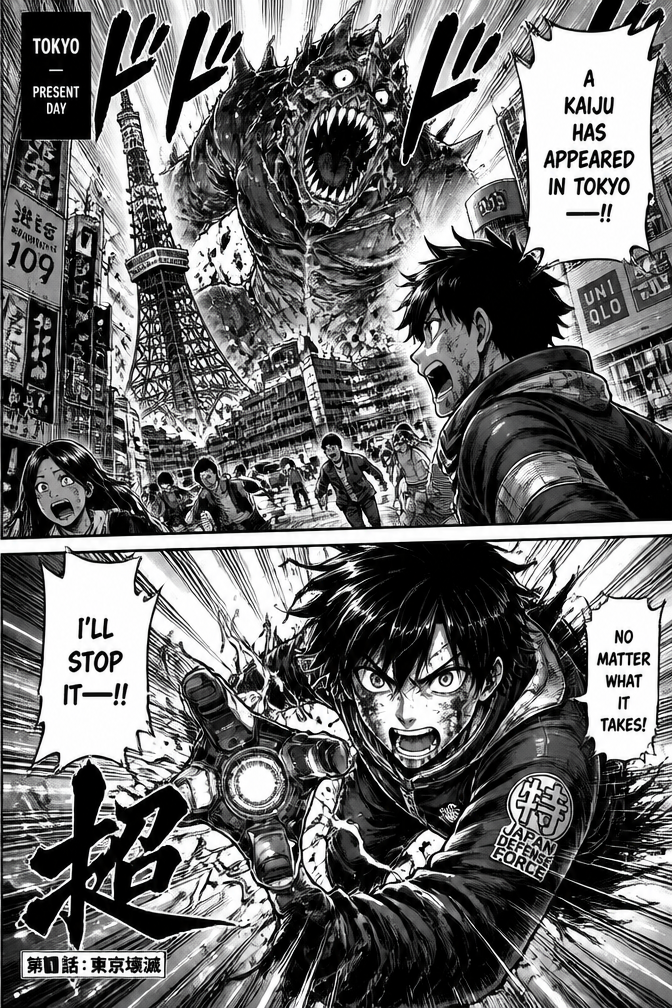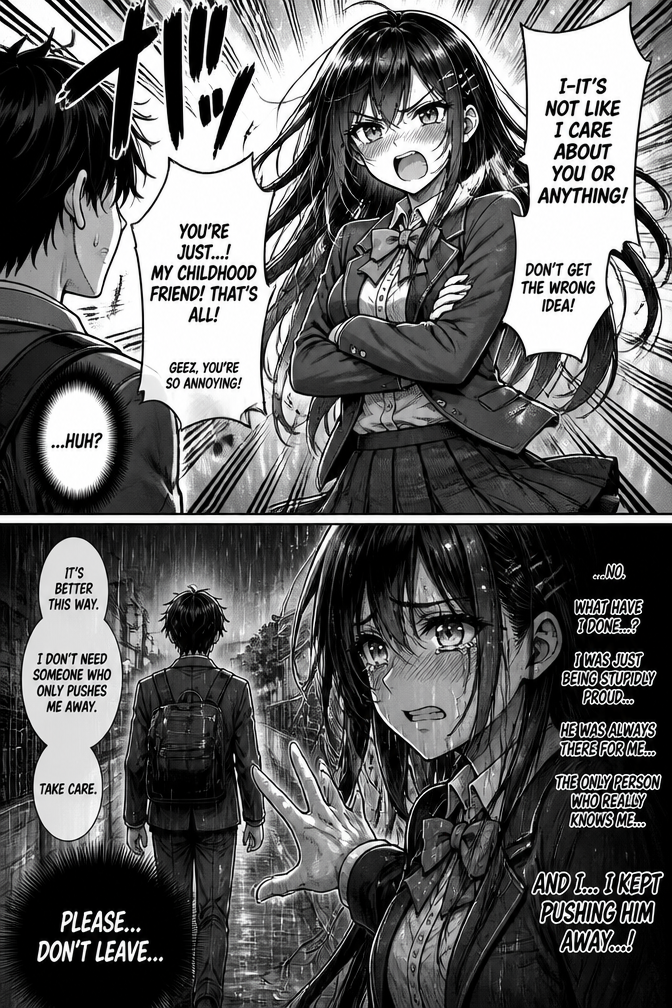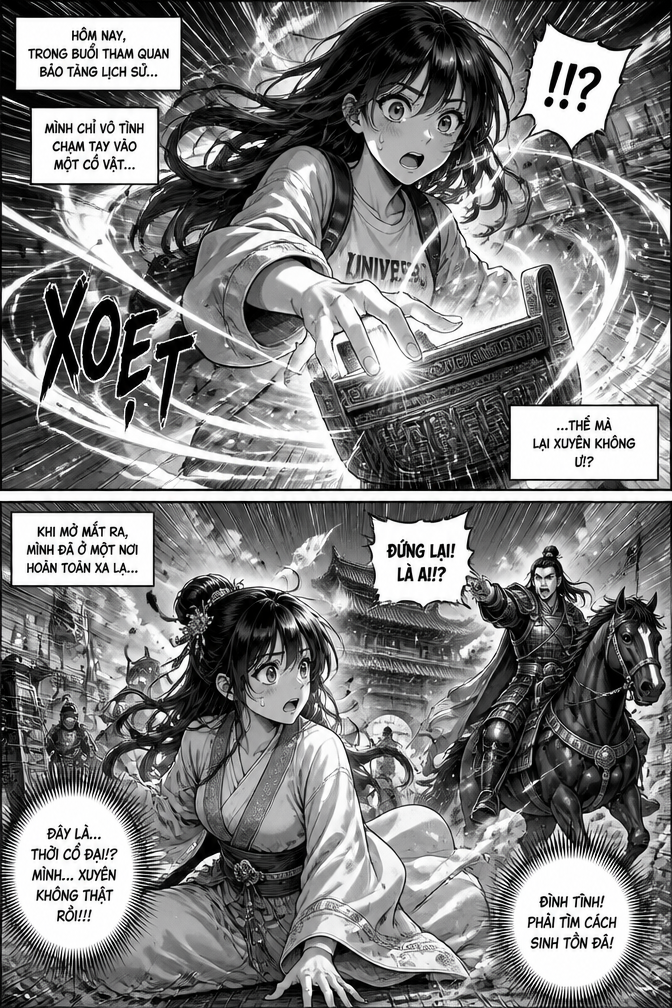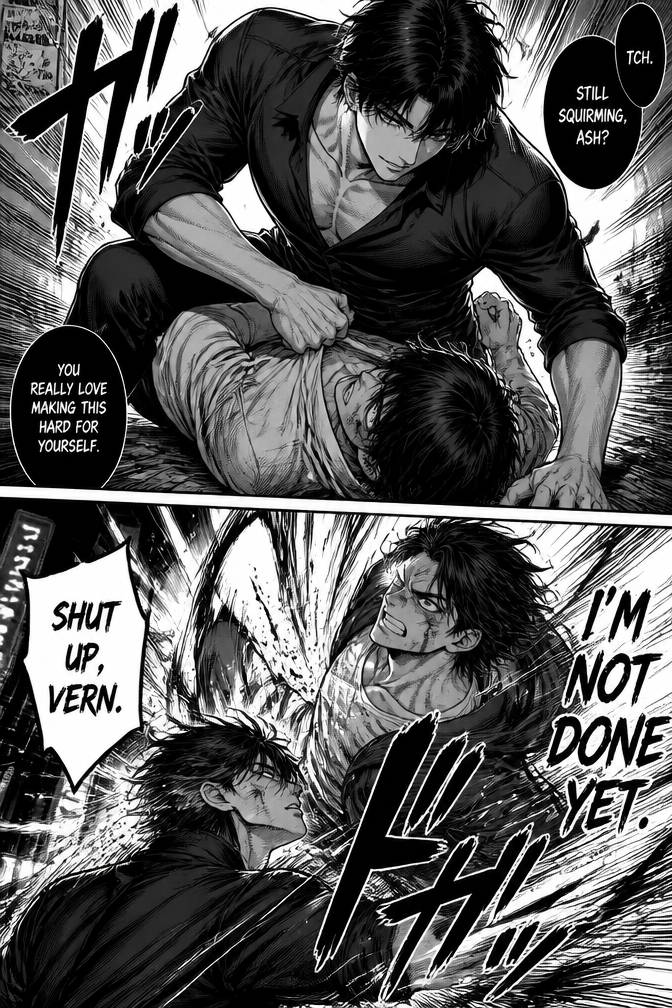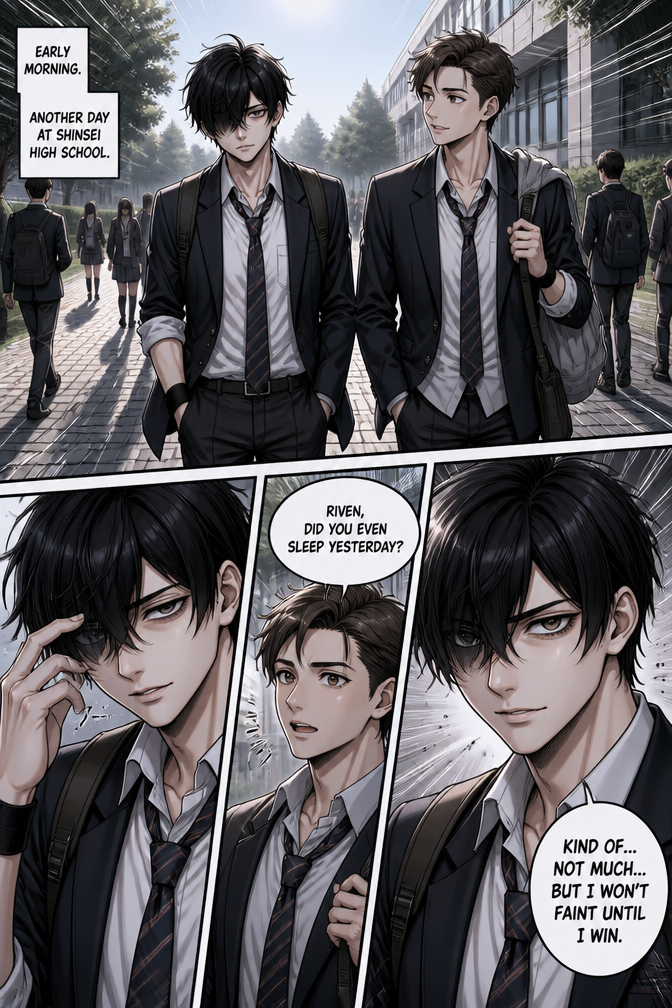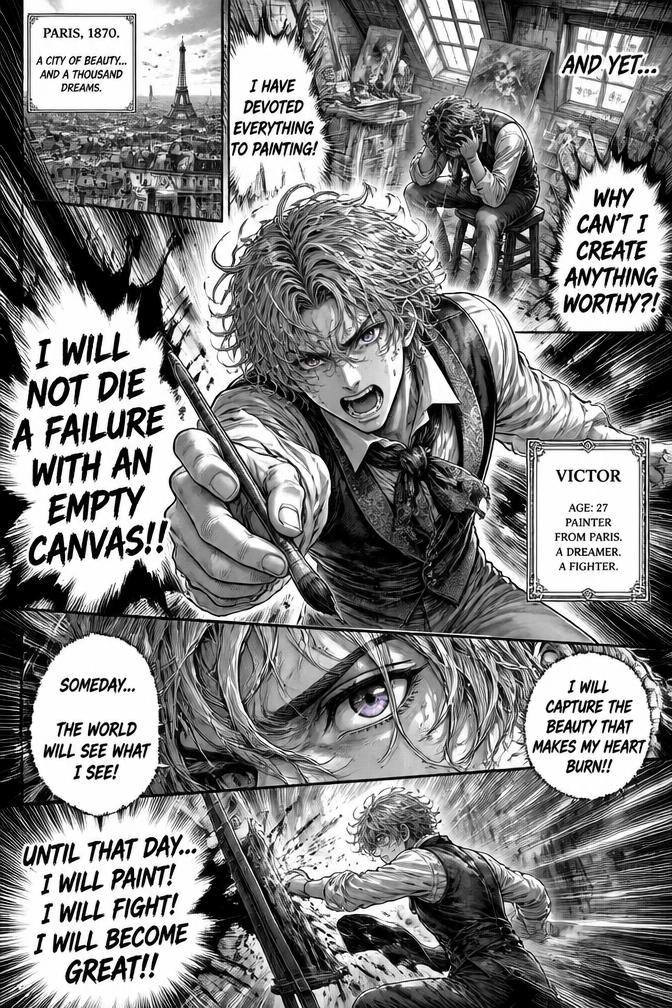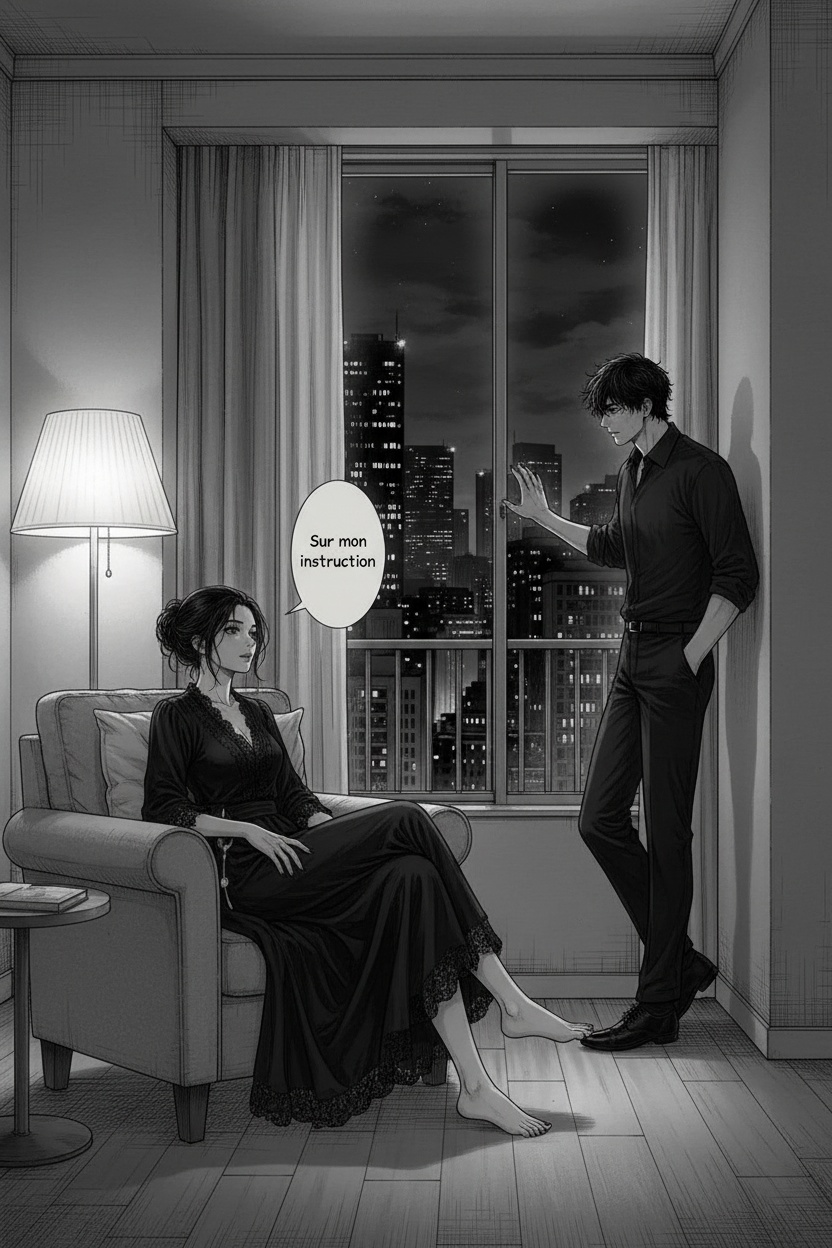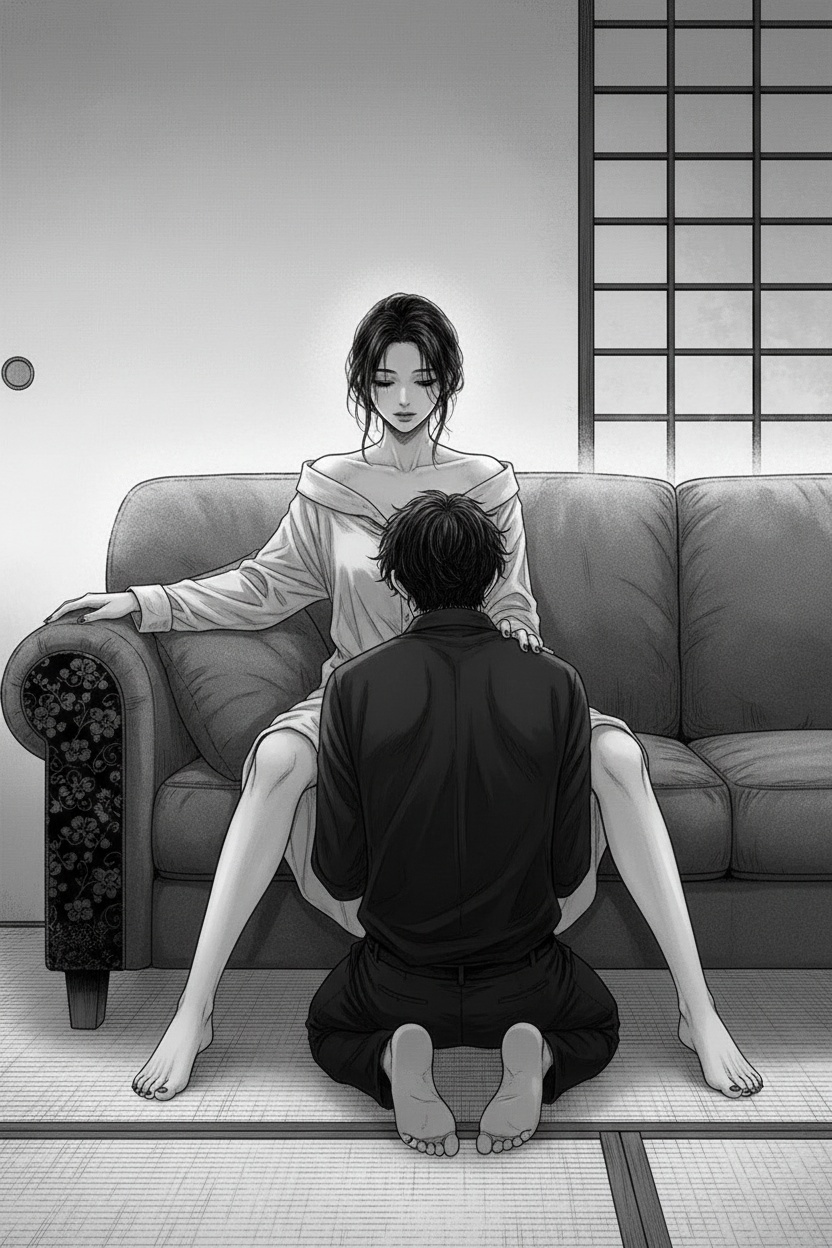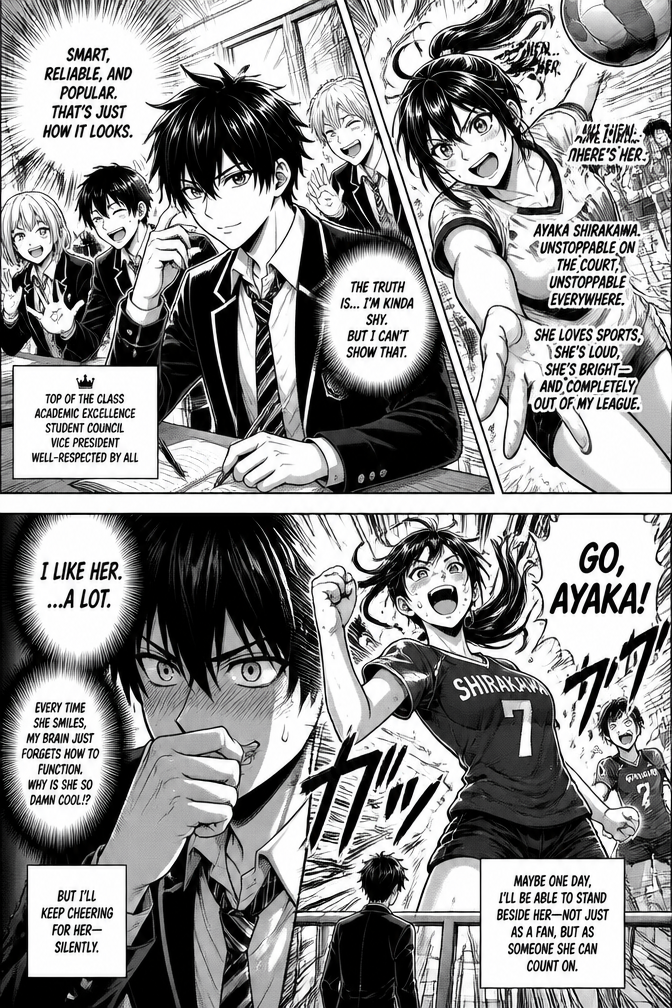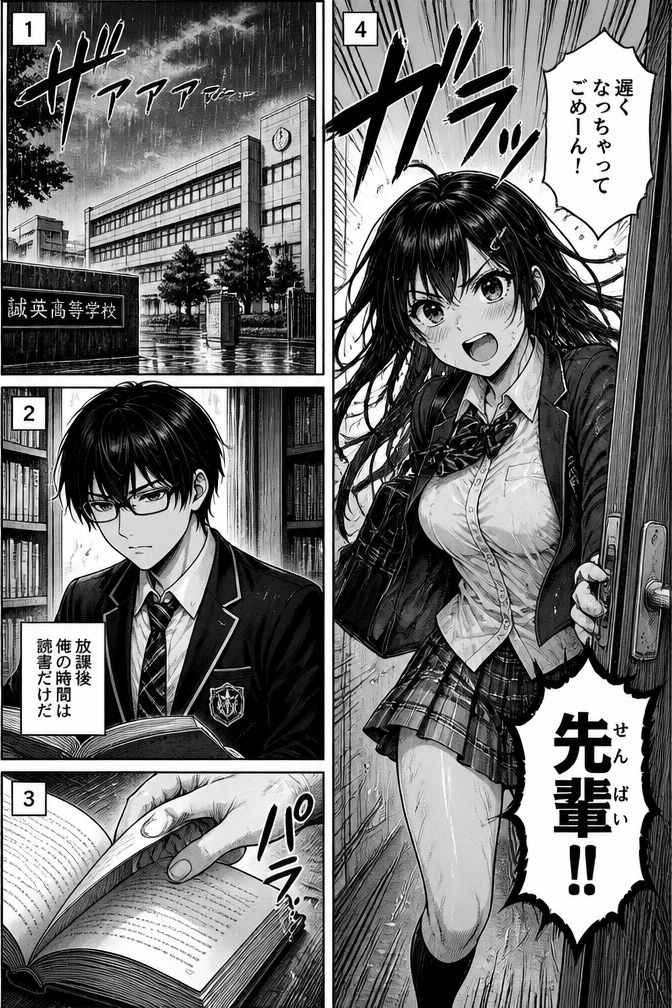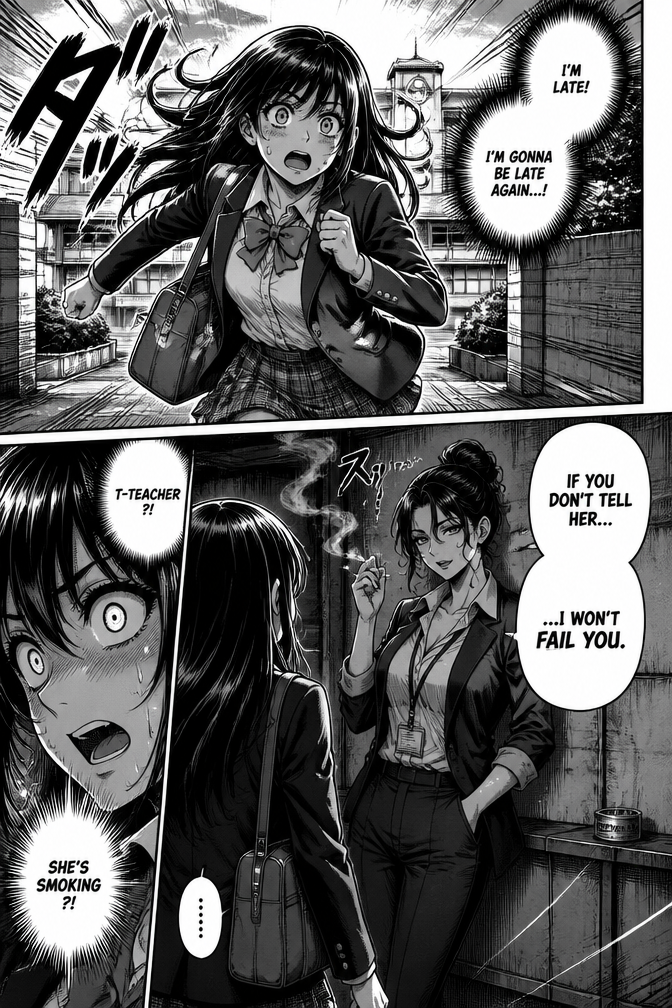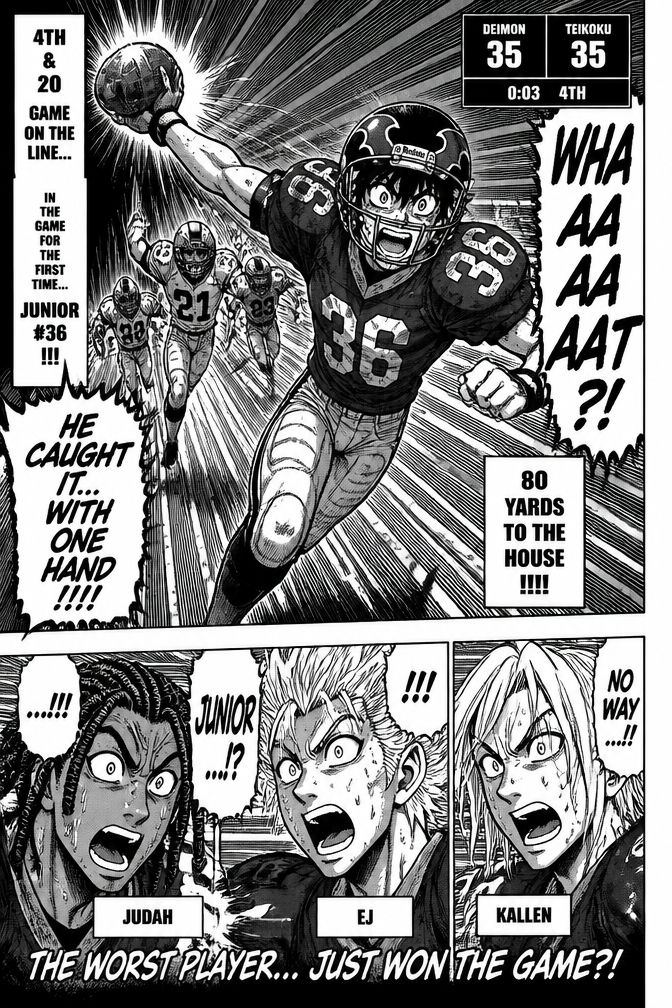
Manga Story
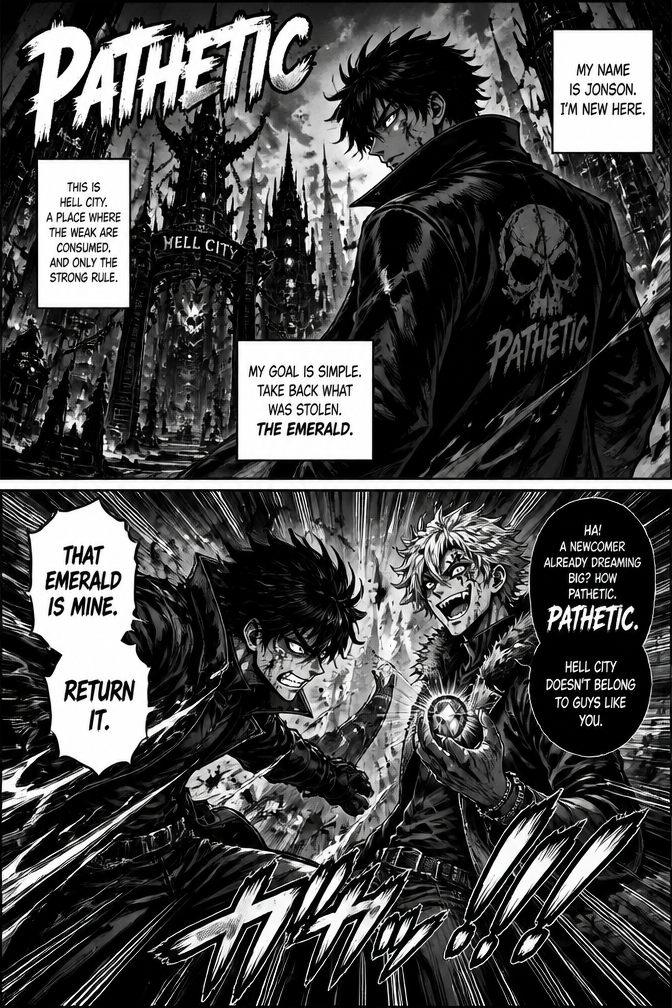
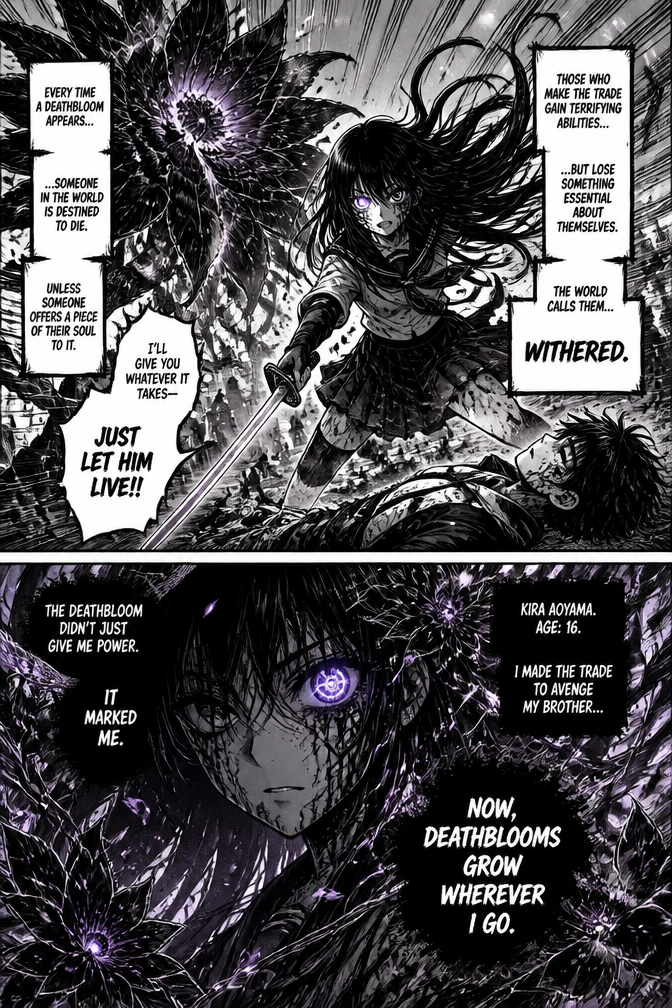
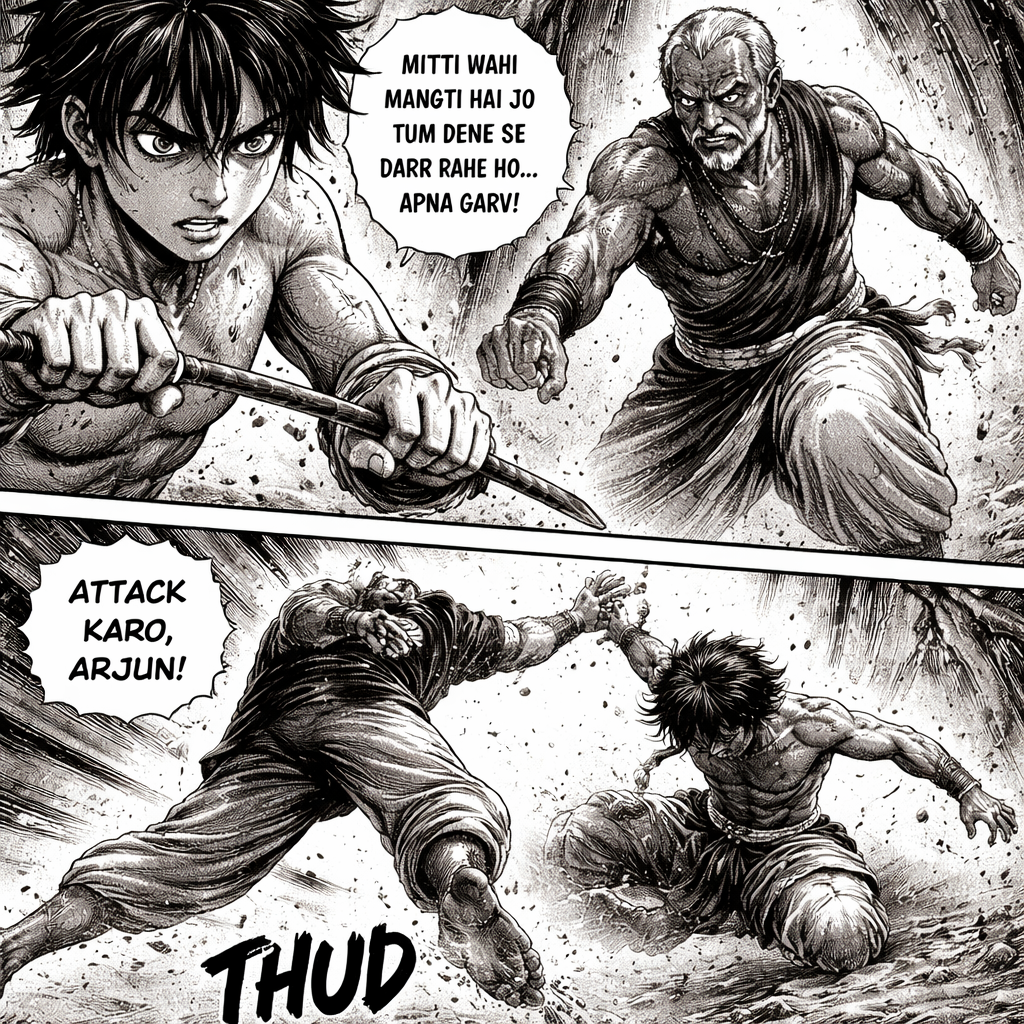
Gemini के साथ बातचीत Create one best fighting anime Indian anime and with Japanese style and realistic The concept of a "realistic Indian fighting anime with a Japanese style" is a fascinating intersection of cultures. While a long-running TV series that fits this exact description is still a "holy grail" for fans, there are specific films and characters that bridge this gap perfectly. Here are the best examples that capture that specific realistic, Japanese-animated combat energy within an Indian context: 1. Ramayana: The Legend of Prince Rama (1992) This is the gold standard. It was a co-production between India and Japan, directed by Yugo Sako. The Style: Traditional 90s cel animation—the same era and quality as Princess Mononoke or Dragon Ball Z. The Realism: While it involves divine elements, the choreography of the archery and swordplay is grounded in classical Indian martial arts. The weight of the armor, the tension of the bows, and the environmental detail (Ayodhya, the forests, Lanka) are rendered with Japanese precision. Why it fits: It doesn’t feel like a "cartoon"; it feels like an epic anime film. 2. Arjun: The Warrior Prince (2012) Though technically an Indian production, it heavily utilizes the "Anime-esque" visual language (shading, dynamic "camera" movement, and high-contrast lighting). The Style: It uses a stylized 3D-on-2D look that mimics modern Japanese theatrical releases. The Fighting: This is arguably the most realistic depiction of Kalaripayattu and ancient Indian warfare in animation. The training sequences and the final Kurukshetra battle focus on physics, momentum, and tactical combat. 3. The "Fate" Series (Karna and Arjuna) If you want to see Indian characters in a high-budget, modern Japanese fighting anime, look at the Fate franchise (specifically Fate/Apocrypha and Fate/Grand Order). The Character: Karna (Lancer of Red) is portrayed as one of the most powerful and noble "Servants" in the series. The Fighting: His combat style is incredibly intense and animated by top-tier Japanese studios like A-1 Pictures. While it leans into "superpowered" territory, his movements are based on the mythic descriptions of his legendary skill. 4. Street Fighter II: V (The India Arc) For a realistic look at 1990s India through a Japanese lens, the "India Arc" in this series is iconic. The Context: Ryu and Ken travel to India to seek a master. They meet Dhalsim, who is portrayed not as a caricature, but as a wise, physically disciplined monk. The Vibe: The episodes capture the grit, heat, and atmosphere of Calcutta and rural India with a grounded, realistic aesthetic typical of 90s "World Tour" anime. Comparison of Styles Feature The Legend of Prince Rama Arjun: The Warrior Prince Fate Series (Karna) Animation Style Classic 90s Hand-drawn Stylized 3D/Cell-shaded Ultra-Modern Digital Combat Focus Tactical Archery/Epic Scale Martial Arts/Kalaripayattu High-Octane Supernatural Realism High (Cultural/Historical) High (Physics/Movement) Low (Fantasy/Power-scaling) Recommendation: If you want the "one best" experience, watch the 4K Remaster of Ramayana: The Legend of Prince Rama. It is the most authentic fusion of Indian soul and Japanese craft ever created. Mujhe is Manga Kar pahla chapter complete karna hai to uske hisab se ek achcha Sa prompt do Agar aap ek realistic, Japanese-style Indian fighting manga shuru karna chahte hain, toh pehla chapter (One-shot ya Pilot) hamesha "Atmosphere" aur "Physicality" par focus hona chahiye. Yahan ek behtareen prompt hai jise aap kisi bhi AI Image Generator (jaise Nano Banana 2) ya script-writing ke liye use kar sakte hain: Manga Title Concept: "Kalaris Curse" Setting: Kerala ka ek purana, mitti wala 'Kalari' (training pit) shaam ke waqt. Chapter 1 Plot Outline: "The Weight of the Soil" Opening (The Hook): Ek 19 saal ka ladka, Arjun, mitti se bhare pit mein akela khada hai. Uske shareer par pasina aur mitti lipti hui hai. Woh ek traditional Urumi (flexible sword) pakadne ki koshish kar raha hai, lekin uske haath kaanp rahe hain. The Conflict: Uske saamne uska "Guru" khada hai—ek buddha lekin behad mazboot aadmi jiske chehre par ek purana zakhm hai. Guru kahte hain: "Mitti wahi mangti hai jo tum dene se darr rahe ho—apna garv (pride)." The Fight: Guru achanak hamla karte hain. Action realistic hona chahiye—koi magic nahi, sirf momentum, bones ka chatakna, aur dhool (dust) ka udna. Arjun ko mitti mein patka jata hai. The Twist: Jab Arjun girta hai, toh use mitti ke andar ek purani, tooti hui talwar ki mooth (hilt) dikhti hai. Jaise hi woh use chhuta hai, ek purani "Yoddha" ki shadow uske piche dikhti hai. Ending: Arjun khada hota hai, uska stance (posture) badal chuka hai. Woh ab darr nahi raha. Last panel mein uski aankhein bilkul ek baaz (hawk) jaisi chamak rahi hain. Visual Prompt (For Image Generation) Agar aap chapter ke main cover ya pehle page ke liye image generate karna chahte hain, toh yeh use karein: Prompt: "Hyper-detailed Seinen manga style, black and white ink wash, high contrast. A young Indian martial artist with a lean, muscular build standing in a traditional Kerala Kalaripayattu pit. Dust motes dancing in the sunset light. He is wearing a traditional mundu, sweat glistening on his brown skin. Intense gaze, sharp Japanese-style facial features but distinctly Indian. Realistic anatomy, heavy line work like Takehiko Inoue's 'Vagabond'. The background shows ancient wooden pillars and traditional Indian weapons hanging on the wall. Cinematic low-angle shot."
More Manga to Explore
![ADEGAN 1 — EKSTERIOR, HALAMAN KOSONG — SIANG
[Shot wide]
Sebuah halaman beton kosong. Langit cerah. Angin kecil menggulung satu daun kering lewat frame. Tidak ada siapa-siapa.
Suara: Angin sepoi, langkah kaki kecil di kejauhan.
---
ADEGAN 2 — EKSTERIOR, SAMA — LANJUTAN
[Shot medium dari samping]
Cewek masuk frame dari kiri. Rambut berantakan, baju lusuh, ekspresi capek berat. Menyeret kursi kayu dengan satu tangan.
Suara: Gesekan kaki kursi di beton. Sreeet... sreeet...
Dia berhenti di tengah frame. Taruh kursi dengan hati-hati. Mengelap keringat. Duduk. Wajahnya berubah dari capek jadi senyum damai.
Dia menutup mata. Menghirup napas panjang. Puas.
Suara: Desah napas lega.
---
ADEGAN 3 — EKSTERIOR, SAMA — LANJUTAN
[Shot wide]
Dari sisi kanan frame, Cowok muncul. Berjalan tanpa suara. Postur lurus kaku. Ekspresi benar-benar datar, mata setengah tertutup.
Dia berhenti tepat di samping kursi, berdiri menghadap depan. Tidak melihat si Cewek. Tidak melihat kursi. Hanya... ada.
Suara: Hening. Angin.
Cewek membuka satu mata. Melirik ke atas ke arah Cowok.
---
ADEGAN 4 — INTERAKSI PERTAMA
[Shot medium, framing keduanya]
Cewek menunjuk dirinya sendiri, lalu menunjuk kursi. "Ini aku. Kursi."
Cowok melirik dengan mata super lambat. Dari bola mata bawah, naik sedikit. Melihat Cewek. Melihat kursi. Kembali melihat lurus ke depan. Tidak bereaksi.
Cewek berdiri. Gestur mempersilakan duduk dengan dua tangan. Wajah ramah.
Cowok menggeleng kecil. Sekali. Datar.
---
ADEGAN 5 — LOOP TAWAR-MENAWAR
[Shot close-up bergantian, tempo makin cepat]
Cewek menawarkan kursi — gestur lebih besar.
Cowok menolak — geleng makin tipis.
Cut ke Cewek: menawarkan dengan mata melotot.
Cut ke Cowok: geleng dengan mata masih setengah tutup.
Cut ke Cewek: menawarkan sambil melompat kecil.
Cut ke Cowok: geleng sambil memejamkan mata.
Speed ramp: Sekarang bergantian super cepat. Gestur tawaran makin absurd — Cewek menunjuk kursi, tepuk kursi, gosok-gosok kursi, peluk kursi, angkat kursi ke arah Cowok. Cowok tetap menggeleng datar di setiap cut.
Suara: Whoosh whoosh whoosh makin cepat. Lalu tiba-tiba...
HENTI TOTAL.
Suara: Record scratch. Hening.
---
ADEGAN 6 — LEDAKAN
[Shot wide]
Cewek diam membeku. Senyumnya patah. Wajahnya berubah jadi gelap, bayangan menutupi mata.
Dia mengangkat kursi tinggi-tinggi di atas kepala dengan dua tangan. Pose seperti mau banting.
Mulutnya terbuka (seolah teriak, tapi tanpa suara).
LEMPAR KERAS. Kursi keluar frame kanan.
Suara: BRAAAK... creak... creak... (suara kursi jatuh berdebum, lalu goyang-goyang di luar frame, akhirnya diam)
---
ADEGAN 7 — HENING PASCA BADAI
[Shot medium, dua karakter berdiri]
Keduanya berdiri. Tanpa kursi. Saling berhadapan dari jarak dua meter.
Cowok menatap Cewek. Cewek menatap Cowok. Nafas Cewek masih naik turun karena emosi.
Cowok... masih datar. Tidak terpengaruh sama sekali.
Angin lewat lagi. Daun kering yang sama dari Adegan 1 lewat lagi.
Suara: Angin sepoi.
---
ADEGAN 8 — PUNCHLINE PERTAMA
[Shot close-up ke tangan Cowok]
Tangan Cowok masuk ke saku celana. Gerakan super lambat.
Klik... (bunyi logam kecil)
Tangannya keluar. Memegang sesuatu yang terlipat. Kecil. Persegi panjang.
Dia letakkan di tanah.
Klik... klik... klik... Dibukanya dengan tiga gerakan terpisah dan lambat.
Sekarang terlihat: kursi lipat kecil. Sangat kecil. Hanya cukup untuk pantatnya sendiri.
---
ADEGAN 9 — DUDUK
[Shot medium dari depan]
Cowok duduk. Pelan. Punggung lurus. Tangan di paha. Lutut naik karena kursi terlalu pendek. Tapi dia duduk dengan postur sempurna.
Dia menutup mata. Menghembuskan napas dari hidung kecil. Wajahnya tetap datar, tapi ada sedikit sudut bibir naik. Puas versinya sendiri.
Cewek melihat semua ini dari sisi kiri frame. Mulutnya menganga. Mata melebar. Seluruh tubuhnya membeku.
Suara: Cricket sound. Jangkrik.
---
ADEGAN 10 — TWIST AKHIR
[Shot wide]
Cewek berjalan mendekat. Bukan ke kursi lipat. Bukan ke depan Cowok. Tapi ke... samping-belakang Cowok.
Cowok masih duduk dengan mata terpejam.
Cewek berdiri tepat di belakangnya. Mengukur jarak. Membidik.
Dia jongkok sebentar, lalu...
DUDUK DI ATAS KEPALA COWOK.
---
ADEGAN 11 — FREEZE FINAL
[Shot medium dari depan, framing sempurna]
Cowok duduk di kursi lipat kecil. Postur tetap lurus. Mata masih terpejam. Tapi sekarang muncul satu tetes keringat besar di pelipisnya.
Di atas kepalanya, Cewek duduk bersila. Senyum puas kembali ke wajahnya. Mata tertutup. Damai. Seperti di Adegan 2.
Keduanya diam.
Kamera hold 3 detik.
Kartu judul muncul:
"KURSI"
Suara: Pop kecil saat judul muncul. Lalu sunyi.
FIN.](https://media.mangaai.com/c8988f36-016b-4e6a-b8f4-96cc9c693303.png)